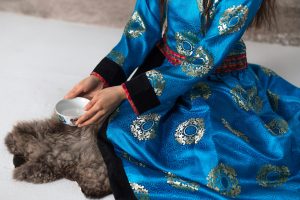
Exploring the Psychology Behind Why We Wear Certain Clothes
In today’s society, clothing is much more than just a basic necessity. It is a form of self-expression, a reflection of our personalities, and often a way for us to conform to social norms. We carefully choose and curate our wardrobes to showcase our individuality, yet at the same time, our clothing choices are heavily influenced by external factors. But have you ever stopped to wonder why we wear certain clothes? What drives us to make certain clothing choices? In this article, we will explore the fascinating psychology behind why we wear certain clothes.
Self-Expression and Identity
One of the primary reasons we wear certain clothes is to express ourselves and to convey our identity to others. Our clothing choices are a reflection of our personality, beliefs, and values. Imagine walking into a room full of people wearing the same plain white t-shirt and jeans – it’s likely that you wouldn’t feel too unique or confident. However, when we wear something that aligns with our sense of self, it gives us a boost of confidence and helps us feel comfortable in our own skin.
Think about how you feel when you wear your favorite outfit – you probably feel like the best version of yourself. This is because our clothing choices can have a significant impact on our mood and emotions. Studies have shown that wearing certain colors can affect our mood – for example, wearing red can make us feel more confident and powerful, while blue can have a calming effect.
The Influence of Social Norms
While we use clothing as a means of self-expression, it is also heavily influenced by social norms. We are constantly bombarded with images of how society expects us to dress through magazines, advertisements, and social media. We are constantly trying to meet the fashion standards set by society, and this has a significant impact on our clothing choices.
For example, in a professional setting, we are expected to dress in business attire – tailored suits for men and skirt suits for women. This is because dressing in this way is seen as appropriate and conforming to the expectations of the workplace. Going against these norms, such as wearing a casual t-shirt to a job interview, can be seen as inappropriate and may affect our chances of being hired.
Emotional Attachments
Aside from self-expression and social norms, we also form emotional attachments to certain pieces of clothing. This could be an outfit that holds sentimental value or an item that makes us feel particularly good when we wear it. These emotional attachments often stem from memories associated with the clothing or the confidence and happiness we feel when wearing it.
Moreover, we may use clothing as a way to cope with emotional issues. For example, someone going through a difficult time may turn to comfortable, familiar clothing as a source of comfort and security. Similarly, people may use clothing as a form of escapism – choosing to wear elaborate and flamboyant outfits as a way to create a different persona and escape reality.
In Conclusion
In conclusion, our clothing choices are incredibly complex and are influenced by various factors such as self-expression, social norms, and emotional attachments. By understanding the psychology behind why we wear certain clothes, we can gain insight into our own personal style and the factors that drive our fashion choices. So next time you’re getting dressed, consider the psychology behind your clothing choices – you might be surprised by what you discover.