
Investigating the Sound Design Used in Modern Restaurant Kitchens
Modern restaurants are not just places to enjoy a meal – they are immersive experiences that combine ambiance, service, and of course, food. One often overlooked element that plays a crucial role in creating a memorable dining experience is sound design. The sound of a restaurant, specifically the kitchen, can greatly impact the overall atmosphere and ultimately influence customers’ perception of the food. In this article, we will dive deep into the world of modern restaurant kitchens and investigate the sound design techniques used to enhance the dining experience.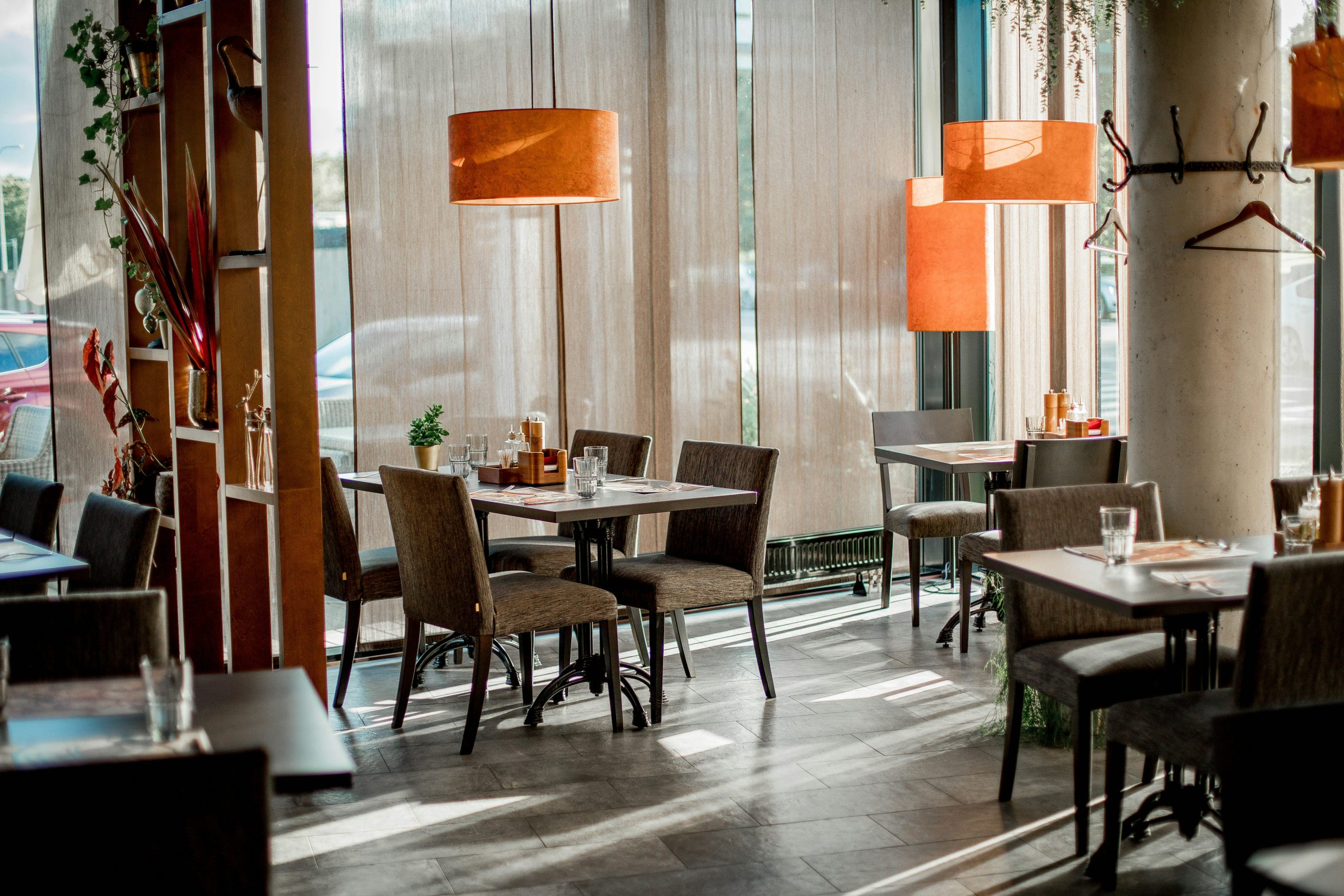
The Importance of Sound Design in Modern Restaurants
Sound, like any other aspect of design, greatly contributes to setting the mood and creating a unified experience for restaurant patrons. When done right, sound design can elevate a restaurant’s atmosphere and leave a lasting impression on customers. The goal of sound design in modern restaurants is to create a balanced soundscape that complements the overall aesthetic of the place and adds to the dining experience.
The Impact of Sound on Food Perception
It may seem unconventional, but sound can greatly affect how people perceive the taste of food. Studies have shown that background noise, especially loud or unpleasant sounds, can disrupt taste perception. This is because our brains are wired to connect certain sounds with specific tastes. For example, the sound of sizzling can make a dish seem tastier and more appetizing, while a loud and chaotic kitchen can have the opposite effect.
Creating the Perfect Kitchen Soundscape
Designing the sound of a modern restaurant kitchen is a delicate process that requires careful consideration of every element. From the type of equipment used to the layout of the kitchen, everything plays a role in creating the perfect soundscape.
Equipment Selection and Placement
The first step in creating a well-designed kitchen soundscape is the selection of equipment. The type of equipment used in a kitchen can greatly impact the overall sound. For instance, gas stoves tend to produce a louder sound than electric stoves. Therefore, the latter might be a better choice for restaurants that aim for a quieter ambiance. Additionally, the placement of the equipment should also be taken into account. A noisy appliance, such as a blender or an extractor fan, should be placed away from the dining area to avoid disrupting the customers’ experience.
Layout and Materials
The layout and materials used in a modern restaurant kitchen can also greatly affect sound. Open kitchens, where customers can see the chefs in action, are a growing trend in the industry. However, this layout can also result in a noisier environment. In such cases, acoustic materials, such as sound-absorbing tiles or panels, can be used to reduce noise levels. Additionally, the materials used for kitchen surfaces and floors should also be carefully chosen to minimize sound reflections.
The Role of Music
Background music plays a crucial role in setting the mood and ambiance of a restaurant. However, when it comes to modern restaurant kitchens, the type of music used should be carefully chosen. Loud and aggressive music can create a chaotic atmosphere and disrupt the customers’ dining experience. On the other hand, soft and soothing background music can help mask the noise of the kitchen and create a more pleasant ambience.
Constantly Evolving
The world of sound design in modern restaurant kitchens is not limited to just the physical aspects. With the rise of technology, there are now sound management systems specifically designed for commercial kitchens. These systems control the volume and set the ideal level of background noise to achieve the desired atmosphere. Additionally, restaurants can also invest in noise-cancelling headphones for their kitchen staff to reduce overall noise levels and avoid any potential disruptions for diners.
In Conclusion
The sound design used in modern restaurant kitchens is a crucial element in creating a memorable dining experience. When done right, it can add to the overall ambiance and elevate the customers’ perception of the food. By carefully considering equipment, layout, materials, and music selection, restaurants can create a well-balanced soundscape that complements their overall brand and helps create a lasting impression on diners.
Investigating the sound design used in modern restaurant kitchens is a complex and constantly evolving process. As technology continues to advance, we can expect to see more innovative and creative ways to enhance the dining experience through sound. Paying attention to every aspect of sound design and finding the perfect balance is crucial in creating a unique and memorable experience for restaurant patrons. So next time you dine out, pay attention to the sounds of the kitchen and see how it affects your overall experience.