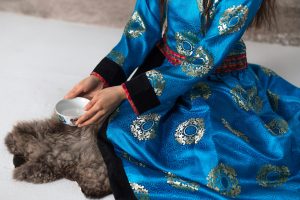
Mastering the Technique of Personal Color Analysis for Wardrobe
Have you ever stood in front of your closet, staring at a sea of clothes, and feeling overwhelmed and unsure of what to wear? You’re not alone. Many people struggle with finding the right colors and styles to suit their unique features and personality. This is where personal color analysis comes in. By understanding your personal color palette, you can create a wardrobe that not only looks great on you but also makes you feel confident and empowered. In this article, we will explore the technique of personal color analysis and how you can master it for your wardrobe.
The Basics of Personal Color Analysis
Personal color analysis is a process of determining the colors that best complement your skin tone, eye color, and hair color. By identifying your color season, also known as your color palette, you can select the right shades and hues for your clothing, accessories, and makeup. This technique is based on the theory that certain colors can either enhance or detract from an individual’s appearance.
There are typically four color seasons – Spring, Summer, Autumn, and Winter. Each season has its unique characteristics, and by understanding which one you belong in, you can create a cohesive and harmonious wardrobe.
Spring
Spring season is characterized by warm undertones and bright, fresh colors. People with this color palette tend to have golden or reddish hair with warm, light-colored eyes. The best colors for Spring are soft pastels, such as peach, coral, and mint green. These colors bring out the warmth in your skin and make you look radiant.
Summer
If you have cool undertones and light-colored hair, you may belong in the Summer color palette. Colors that work well for this season are cool and muted pastels, like lavender, baby blue, and dusty rose. These colors complement your delicate complexion and give a soft, feminine look.
Autumn
Those with warm undertones and auburn or dark hair tend to fall into the Autumn color season. This palette includes rich, earthy tones like mustard yellow, rust orange, and olive green. These colors bring out the warmth in your skin and give a cozy and natural look to your wardrobe.
Winter
Winter season is all about cool, bold, and vibrant colors. If you have cool undertones and dark hair, you may belong in this color palette. Colors that are perfect for Winter are jewel tones like emerald green, royal blue, and deep purple. These colors contrast well against your cool complexion and give a sophisticated and elegant look.
Mastering the Technique of Personal Color Analysis
The first step in mastering personal color analysis is to determine your skin’s undertone. You can do this by observing the veins on your wrist – if they appear greenish, you have warmer undertones, and if they appear bluish, you have cooler undertones. Another method is to hold up a white piece of paper to your face – if your skin appears yellowish, you have warm undertones, and if it looks pinkish, you have cooler undertones.
Once you have identified your undertone, you can move on to determining your color season. You can take an online quiz or consult with a professional color analyst to determine your season. You can also use drapes, which are large swatches of fabric in different colors, against your face to see which colors make you look the best.
After determining your color season, it’s time to create a color palette for your wardrobe. This doesn’t mean you can only wear colors from your season, but it serves as a guide to help you select the right shades and tones for your clothing. You can mix and match colors from your season and even incorporate some neutrals to create a balanced and versatile wardrobe.
Benefits of Mastering Personal Color Analysis
Now that you have a better understanding of personal color analysis, let’s look at some of its benefits.
Save Time and Money
By knowing your color season, you can avoid buying clothes in colors that don’t work for you, saving you both time and money. You can also mix and match your wardrobe more efficiently, creating multiple outfits with fewer pieces.
Enhance Your Appearance
Wearing the right colors can make a significant difference in your appearance. By knowing your color season, you can select colors that complement your features and make you look more vibrant and put-together.
Boost Your Confidence
When you look good, you feel good. By wearing colors that suit you, you can boost your confidence and feel more comfortable and confident in your own skin.
Personal color analysis is a valuable technique that can help you make smart choices when it comes to your wardrobe. By understanding your color season and creating a color palette, you can create a wardrobe that not only looks great but also makes you feel your best. So go ahead and master the technique of personal color analysis for your wardrobe – it will be a game-changer!