The Impact of Culture and Geography on Regional Dressing
The way people dress often reflects their cultural and geographical roots. As humans, we have developed diverse cultures and traditions based on our surroundings and environment. These differences are evident not only in language, beliefs, and customs but also in the clothing choices we make. Whether it’s a traditional saree in India, a kimono in Japan, or a huipil in Mexico, regional dressing is a reflection of culture and geography.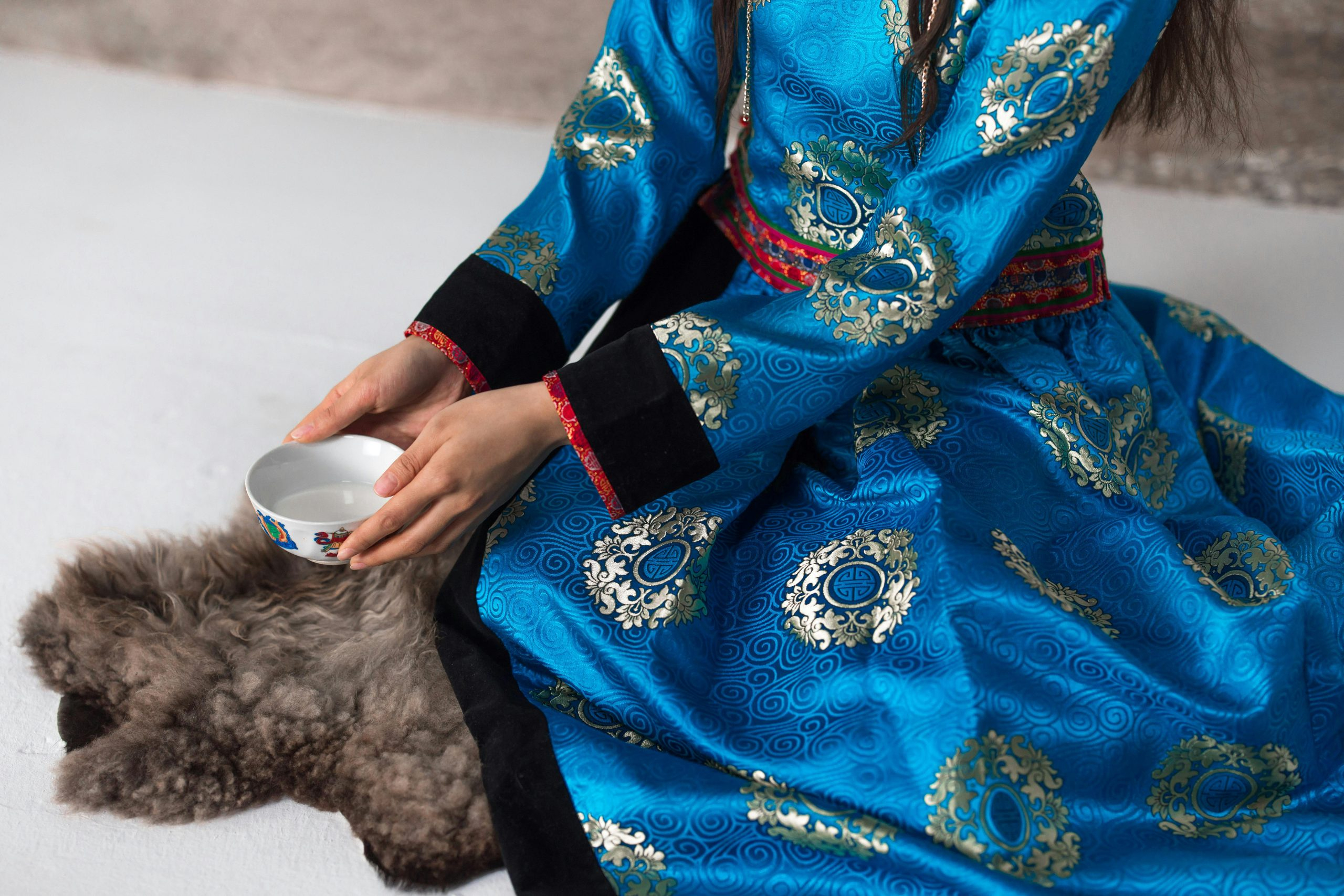
The Impact of Culture on Regional Dressing
Culture plays a significant role in shaping our clothing choices. It encompasses the shared beliefs, customs, and practices that define a group of people. The way we dress is often tied to our cultural identity, and it is a form of self-expression. Throughout history, clothing has been used to represent social status, religion, and even political affiliations.
Traditional Clothing as a Symbol of Culture
In many societies, traditional clothing has a deep symbolic meaning. It represents the unique cultural heritage of a particular group and reflects their values and beliefs. For example, the colorful and intricately embroidered huipil worn by indigenous women in Mexico is a symbol of their pride in their heritage and a way to preserve their culture in the face of modernity.
Moreover, traditional clothing is often tied to specific rituals and ceremonies. In some cultures, the outfits worn during weddings, funerals, or other significant events hold great importance and are closely connected to their customs and traditions.
Influence of Religion on Clothing Choices
Religion also plays a significant role in regional dressing. Many religions have specific requirements for clothing, such as modesty or particular colors and fabrics. For example, the hijab worn by Muslim women is a symbol of their faith and a way to maintain their modesty. In India, women often wear sarees or salwar kameez influenced by the Hindu religion, which dictates modesty and the covering of one’s body.
Besides, some religions also have a historical impact on the clothing styles in a particular region. For instance, the traditional clothing of India’s northern region, such as the lehenga choli and sherwani, has strong influences from the Mughal era, known for its opulent and elaborate clothing.
Regional Dressing and Identity
Clothing is a vital part of our cultural identity, and it helps distinguish one group from another. Different regions have their unique clothing styles, reflecting their cultural diversity. For example, the traditional dress of the Maasai tribe in Kenya and Tanzania is brightly colored with distinctive patterns, while the Inuit community in the Arctic region wear thick, warm clothing designed for the harsh weather conditions.
Moreover, clothing can also be a symbol of pride and a way to showcase regional heritage. Traditional clothing is passed down from generation to generation, and it serves as a reminder of one’s ancestors and their way of life. Through regional dressing, communities can preserve their heritage and traditions, even in a rapidly changing world.
The Impact of Geography on Regional Dressing
The geography and climate of a particular region also have a significant influence on its traditional clothing. The type of landscape, weather conditions, and natural resources available play a vital role in determining the clothing style of a community.
Adapting to Climate and Environment
People living in colder regions often wear layered clothing made of thick, warm materials to protect themselves from the harsh weather. In contrast, those living in hot and humid regions tend to wear loose and lightweight clothing to stay cool. The traditional clothing of the indigenous people of the Amazon rainforest, for example, consists of minimal clothing made of natural fibers to cope with the hot and humid climate.
Use of Natural Resources
The availability of natural resources in a region also influences the clothing choices of the people. For instance, sheep wool, which is readily available in Ireland, is used to make the traditional Irish Aran sweater, which has become an iconic symbol of Irish culture. In the same way, the use of silk in traditional Chinese clothing originated from the abundance of silk production in China.
Geographical Boundaries and Cultural Exchange
The geography of a region also plays a role in shaping cultural exchange and, in turn, influencing regional dressing. Regions that share borders often have similar clothing styles, as communities interact and borrow from each other’s cultural practices. For instance, the traditional clothing of Central Asian countries such as Uzbekistan, Tajikistan, and Kyrgyzstan has similarities due to their shared history and geography.
In Conclusion
Culture and geography have a significant impact on regional dressing. Our clothing choices tell a story of our cultural heritage, religious beliefs, and the influence of our surroundings. It is a representation of who we are and where we come from, and it continues to evolve and adapt to the changing world while remaining a vital part of our identity.