The Subtle Differences Between a Sauté and a Pan Fry Technique
When it comes to cooking, there are many techniques that can be used to create delicious meals. And while some techniques may seem similar, there are often subtle differences that can greatly affect the end result. One technique that often gets confused with another is sautéing and pan frying. Both involve cooking in a pan with some type of oil, but they each have their own unique characteristics. In this article, we’ll explore the subtle differences between a sauté and a pan fry technique and how they can impact your dishes.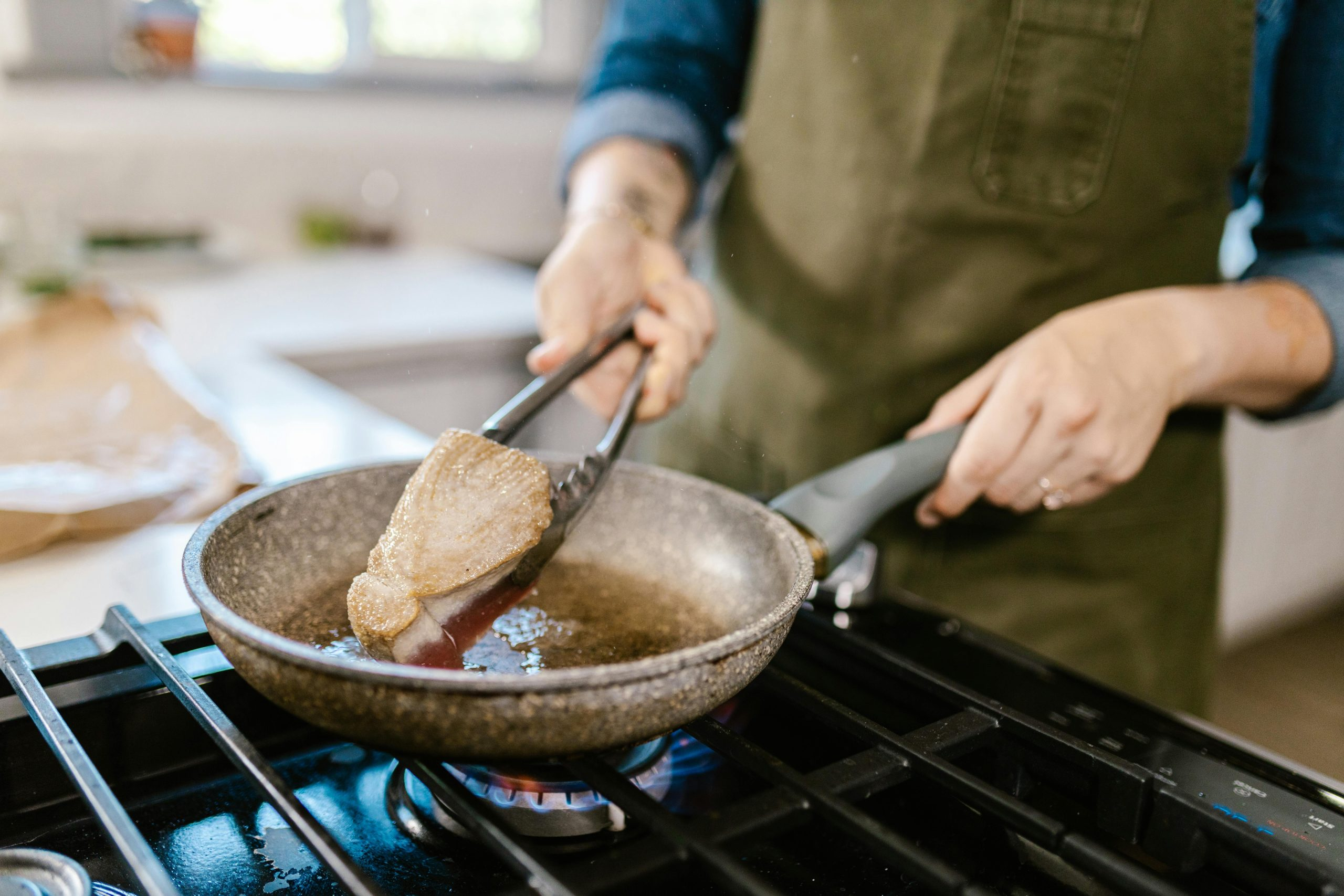
The Basics of Sautéing
First, let’s define what sautéing actually is. Sautéing is a cooking technique that involves quickly cooking small pieces of food over high heat in a small amount of oil. The word “sauté” actually comes from the French word “sauter”, which means “to jump”. This refers to the quick tossing or jumping motion that is used to cook the food. Typically, the food is cut into bite-sized pieces and cooked in a shallow pan, such as a sauté pan or a skillet.
One of the main differences between sautéing and other types of cooking is the high heat that is used. The high heat helps achieve a golden brown crust on the outside of the food while keeping the inside moist and tender. This is why sautéing is often used for delicate foods, such as fish, vegetables, and thin cuts of meat.
The Technique
The key to successful sautéing is to use a pan that is just large enough to hold the food in a single layer without overcrowding it. This ensures that the food will cook evenly and will not steam in its own juices. The pan should also be preheated over high heat for a few minutes before adding the oil and food. This will help create a hot surface for the food to cook quickly and evenly.
When it comes to the actual cooking process, the food is tossed and stirred constantly to ensure that it cooks evenly and doesn’t burn. The food should be cooked until it is lightly browned and crisp, but still tender and not overcooked. This usually takes about 2 to 3 minutes, depending on the type of food and the size of the pan. Once the food is done, it should be removed from the pan immediately to prevent it from overcooking.
Pan Frying: What’s the Difference?
While sautéing involves quick cooking over high heat, pan frying is a slow cooking technique that uses lower heat. The food is typically cooked in a larger amount of oil in a pan that is deep enough to hold the oil without spilling. This technique is often used for foods that need to be fully cooked, such as thick cuts of meat, chicken, and potatoes.
The main purpose of pan frying is to cook the food through until it is fully done. This is why the heat is lowered and the food is cooked for a longer period of time. The oil also helps the food cook evenly and prevents it from drying out.
The Technique
The technique for pan frying is simpler compared to sautéing. The pan is heated over medium-high heat with the oil, and the food is then placed in the pan. The food is then left to cook, occasionally flipped or turned to ensure even cooking on both sides. Depending on the size and thickness of the food, it can take anywhere from 10 to 20 minutes to fully cook.
Unlike sautéing, pan fried foods are typically left in the pan to cool slightly after they are done. They can also be left in the pan for a few minutes after cooking to absorb any excess oil before being served.
The Verdict: Subtle Differences for Delicious Results
While sautéing and pan frying may seem similar, there are clear differences between the two techniques. Sautéing involves quick cooking over high heat, while pan frying involves slower cooking over lower heat. The main purpose of sautéing is to achieve a golden brown crust on the outside while keeping the inside moist and tender, while pan frying is to fully cook the food through.
Knowing when to use each technique can greatly affect your dishes. For more delicate foods, such as fish and vegetables, sautéing may be the best option. For thicker cuts of meat and foods that need to be fully cooked, pan frying is the way to go. And don’t be afraid to experiment and combine techniques to achieve the perfect, flavorful results.