
The Unexpected Influence of Military Bands on Music

The sound of military bands has long been associated with pomp and patriotism, but their influence on music extends far beyond that. From classical symphonies to modern pop songs, military bands have been a significant force in shaping the landscape of music. Despite their often overlooked presence, military bands have played a vital role in introducing new styles, instruments, and techniques to the world. In this article, we’ll explore the unexpected influence of military bands on music and how they have left an indelible mark on the industry.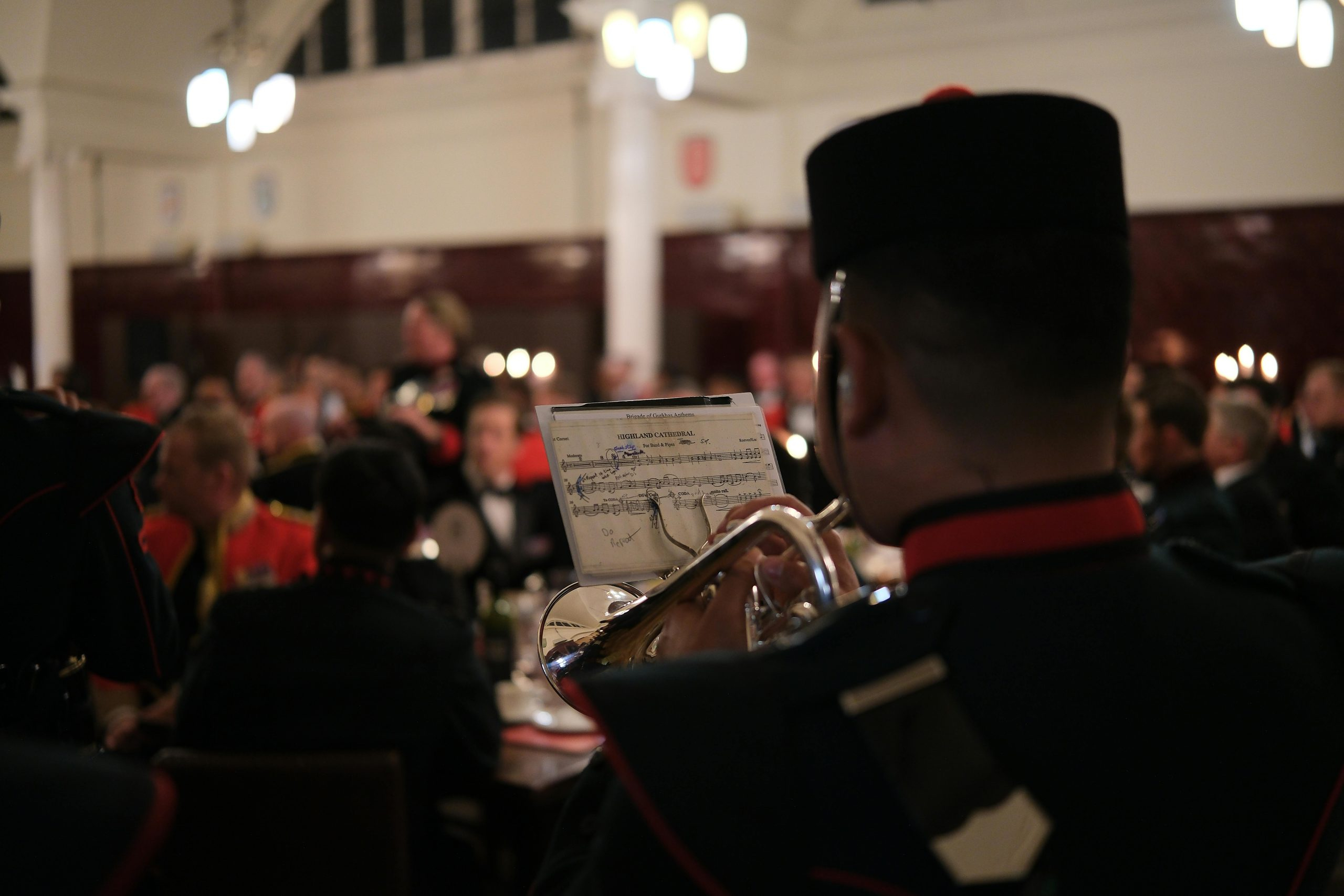
The Evolution of Military Bands
Military bands have a rich history dating back to ancient times. They were initially used to signal orders and boost morale during battles. As they evolved, military bands also became a symbol of national pride and identity. In the 18th and 19th centuries, military bands gained popularity in Europe and expanded their repertoire to include more than just marches and battle signals.
With the onset of the Industrial Revolution, military bands saw significant advancements in instrument technology. The introduction of valved brass instruments in the 19th century allowed for a wider range of tones and melodies, making it possible for military bands to play more complex and varied music. This led to the incorporation of classical compositions into their repertoire, leading to a newfound respect for military bands as musicians and not just marching units.
The Influence on Classical Music
It’s no secret that military bands have had a significant impact on classical music. Over the past few centuries, many famous composers have drawn inspiration from military bands and incorporated elements of their music into symphonies and operas. The most notable example is probably Beethoven’s iconic Fifth Symphony, which famously features a four-note motif typically associated with military signals.
Military bands were also instrumental in the development of the brass section in orchestras. Before the 1800s, brass instruments were not widely used in classical music. However, as military bands gained popularity, composers began incorporating these instruments into their compositions. Today, it’s challenging to imagine a classical orchestral piece without a strong brass presence, all thanks to the influence of military bands.
The Impact on Jazz and Popular Music
Military bands have also had a significant impact on the evolution of Jazz music. In the early 1900s, jazz musicians began incorporating elements of military band music, such as brass instruments and marches, into their compositions. This fusion of styles gave birth to a new genre known as “marching jazz” or “big band jazz,” which became popular in the early 20th century.
In addition to jazz, military bands also influenced popular music in the 20th century. The big band sound of the 1940s, popularized by the likes of Glenn Miller and Benny Goodman, was heavily inspired by military bands. Military songs, such as “Boogie Woogie Bugle Boy,” became hits and are still widely recognized today.
The Influence on Modern Music
While military bands may seem like a thing of the past, their influence on modern music is still prevalent. One of the most significant contributions made by military bands is the introduction of percussion instruments. The snare drum, bass drum, and cymbals, all commonly used in modern music, were initially used in military bands to keep the rhythm for marching soldiers.
Additionally, military bands have played a key role in music education and training. Many prominent musicians and composers got their start in military bands, where they learned vital skills such as sight-reading, discipline, and teamwork. These skills have undoubtedly had a significant impact on their careers and the music they create.
In Conclusion
Military bands have played a much more significant role in shaping the world of music than many people realize. From classical music to jazz and popular music, their influence can be heard in various genres and styles. They have been instrumental in the evolution of musical instruments, techniques, and education. So the next time you hear the sound of a military band, remember the unexpected influence they have had on music throughout history.