
Discovering the Early Pioneers of Industrialized Food Production
When we think about the food we eat every day, we often don’t consider the long journey it has taken to get to our plates. It’s easy to take for granted the abundance and variety of food available to us, but it wasn’t always this way. In fact, there was a time when food production was a much more labor-intensive and time-consuming process. However, thanks to the pioneers of industrialized food production, our modern food system and the convenience it brings has become a reality. In this article, we will take a closer look at the early pioneers of industrialized food production and how they transformed the way we eat today.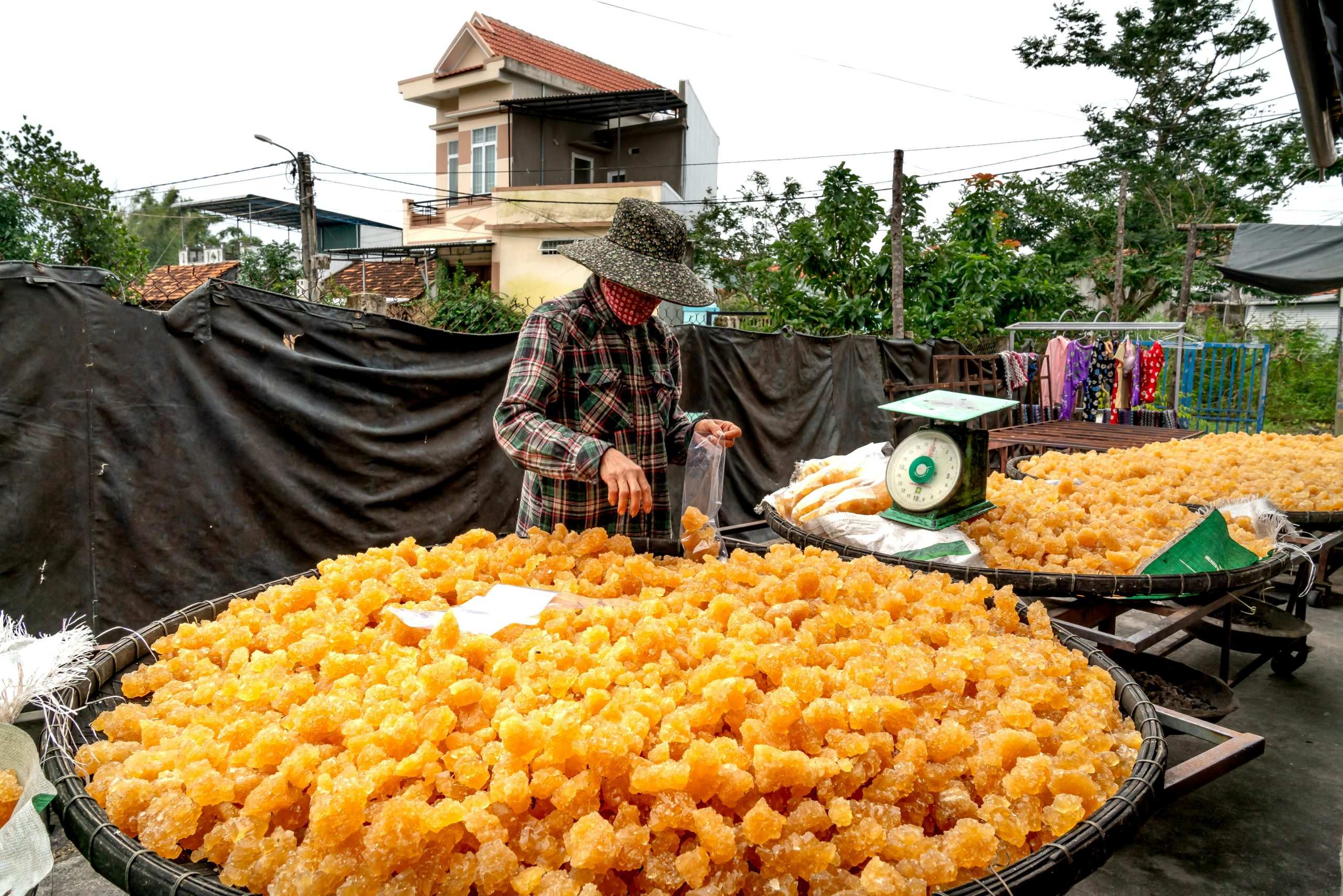
The Rise of Industrialized Food Production
The Industrial Revolution of the late 18th and early 19th centuries saw a significant shift in the way goods were produced. This period marked a transition from manual labor to mechanical production, which greatly increased efficiency and output. This shift also had a profound impact on food production, leading to the birth of the industrialized food system.
Before industrialization, food production was primarily decentralized and handcrafted. Farmers produced crops on small-scale farms, and food was primarily produced and consumed locally. The production processes were slow, and food was often perishable, making it difficult to store and transport. As a result, there were frequent food shortages, and the quality of food was often inconsistent.
However, with the advent of new technologies and advancements in transportation, food production and distribution were revolutionized. This allowed for the mass production and preservation of food, making it easier and cheaper to produce and distribute food on a large scale.
The Early Pioneers of Industrialized Food Production
One of the earliest and most influential pioneers of industrialized food production was Louis Pasteur, a French chemist known for his groundbreaking work in microbiology. In the mid-1800s, Pasteur developed pasteurization, a process of heating milk and other liquids to kill harmful microorganisms and prolong shelf life. This innovation allowed for the safe and mass production of dairy products, which were previously prone to spoilage.
Another significant pioneer was Gustav de Laval, a Swedish engineer who invented the centrifugal cream separator in 1878. This machine allowed farmers to separate cream from milk, leading to the mass production of butter and cream on a large scale. This innovation dramatically increased efficiency and reduced production costs, making dairy products more affordable and accessible to the general public.
The Role of Margaret E. Knight
Margaret E. Knight, an American inventor, played a crucial role in the industrialization of food packaging. In the late 1800s, Knight designed and patented a machine that could mass-produce paper bags with flat bottoms. Before her invention, paper bags were hand-sewn, making them expensive and time-consuming to produce. Knight’s machine allowed for the efficient and cost-effective production of paper bags, making it possible to package food items like flour, sugar, and grains on a large scale.
Another notable pioneer was Clarence Birdseye, an American inventor, and entrepreneur who revolutionized the frozen food industry. In the early 1900s, Birdseye developed a quick-freezing process that preserved the quality of food and made it easier to transport and store. This innovation led to the creation of the first frozen food company and paved the way for the frozen food industry we know today.
The Impact of Industrialized Food Production
The impact of industrialized food production has been far-reaching and has fundamentally transformed the way we eat. With the rise of factories, canneries, and packaging plants, food production shifted from the hands of small-scale farmers to large corporations. This led to increased efficiency, production, and distribution of food, resulting in a variety of food being available year-round at affordable prices.
However, the industrialization of food production has also had its drawbacks. The use of chemicals and pesticides to increase yields has raised concerns about the safety and sustainability of our food. Large-scale monoculture farming, which produces a single crop, has also resulted in the loss of biodiversity and is detrimental to the environment. Additionally, the emphasis on mass production has led to the neglect of traditional and sustainable farming practices, such as crop rotation and organic farming.
In Conclusion
The early pioneers of industrialized food production played a crucial role in transforming the way we produce and consume food. Their innovations and inventions have made it possible for us to enjoy a diverse and year-round food supply. However, it’s essential to consider the impact of industrialization on our food system and take steps towards a more sustainable and environmentally friendly approach to food production.
Sources:
“Food Processing.” The Canadian Encyclopedia, www.thecanadianencyclopedia.ca/en/article/food-processing. Accessed 22 Aug. 2021.
“The Food System.” Learning for a Sustainable Future, 2004, www.lsff.ca/wp-content/uploads/2015/06/Access-the-learning-packages-review/1003-the_food_system.pdf. Accessed 22 Aug. 2021.
“The History of Packaging.” Institute of Food Technologists, 2011, www.ift.org/news-and-publications/food-technology-magazine/issues/2011/may/features/the-history-of-packaging. Accessed 22 Aug. 2021.