The Role of Nature Therapy in Reducing Anxiety Levels

In today’s fast-paced and hectic world, anxiety has become a common and increasingly prevalent condition. According to the Anxiety and Depression Association of America, anxiety disorders affect 40 million adults in the United States, making it the most common mental illness in the country. With the rise in anxiety levels, individuals are constantly seeking ways to manage and reduce their symptoms without turning to medication. One effective and natural approach is nature therapy. In this article, we will explore the role of nature therapy in reducing anxiety levels and how it can be incorporated into one’s life.
The Power of Nature
Nature has a calming and restorative effect on the human mind and body. Research has shown that spending time in nature can reduce stress and anxiety levels, improve mood, and boost overall well-being. When we are surrounded by nature, our body’s hormones and neuropathways are positively affected, reducing the release of cortisol (the stress hormone) and increasing the production of endorphins (the feel-good hormones).
The Science Behind It
Studies have shown that nature therapy can decrease activity in the prefrontal cortex, which is responsible for rumination and overthinking, two common traits of anxiety. Moreover, being outdoors reduces the levels of cortisol in our bodies, leading to a decrease in overall stress. Additionally, the visual and sensory stimulation that nature provides helps to distract the mind and reduces the intensity of anxious thoughts and feelings.
Nature Therapy Techniques
Forest Bathing
Forest bathing, also known as Shinrin-yoku, is a Japanese concept introduced in the 1980s. It refers to the practice of spending time in nature as a form of therapy. This technique involves immersing oneself in the natural environment, using all five senses to engage with nature mindfully. It has been found to decrease cortisol levels, reduce blood pressure and improve mood and immune function.
Animal Therapy
Pets have long been known to have therapeutic effects on individuals, especially those with anxiety disorders. Studies have shown that spending time with animals, whether petting, walking, or simply observing them, can help to reduce stress and anxiety levels. Additionally, pets provide companionship and non-judgmental support, which can be particularly beneficial for individuals struggling with social anxiety.
Gardening
Gardening is not only a great outdoor activity but also a form of therapy. It provides a sense of purpose and accomplishment, which can be especially beneficial for those dealing with anxiety. Planting, nurturing, and watching a garden grow can help individuals to feel connected to nature and provide a sense of calm and tranquility.
Incorporating Nature Therapy into Daily Life
Incorporating nature therapy into daily life can be as simple as spending a few minutes each day in nature. This can be in the form of a walk-in a park, sitting in a garden, or even just looking out of a window. Additionally, taking a weekend trip to a nearby nature destination, such as a national park or a beach, can be a great way to recharge and refocus.
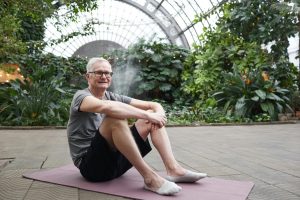
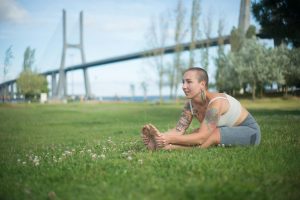
Moreover, making small changes in one’s daily routine, such as taking a walk during lunchtime or incorporating a morning yoga session in a nearby park, can also have a significant impact on overall well-being and anxiety levels.
The Role of Mindfulness
Mindfulness simply means being present and fully engaged in the current moment. Practicing mindfulness while spending time in nature can enhance the therapeutic effects and reduce anxiety levels even further. This can be done by focusing on the sights, sounds, and smells of nature and letting go of any anxious thoughts or worries.
Conclusion
Nature therapy may not be a cure for anxiety, but it can be a beneficial tool in managing and reducing anxiety levels. By incorporating nature into our daily lives and practicing mindfulness while engaging with nature, we can tap into its calming and restorative powers. So the next time you’re feeling overwhelmed, take a step outside and embrace the healing qualities of nature.