Analyzing the Evolution of Bridal Wear and Wedding Attire
The wedding attire of today has come a long way from its humble beginnings. From traditional white gowns to modern two-piece suits, bridal wear has evolved to reflect societal changes and personal styles. In this article, we will take a closer look at the history and evolution of bridal wear and wedding attire.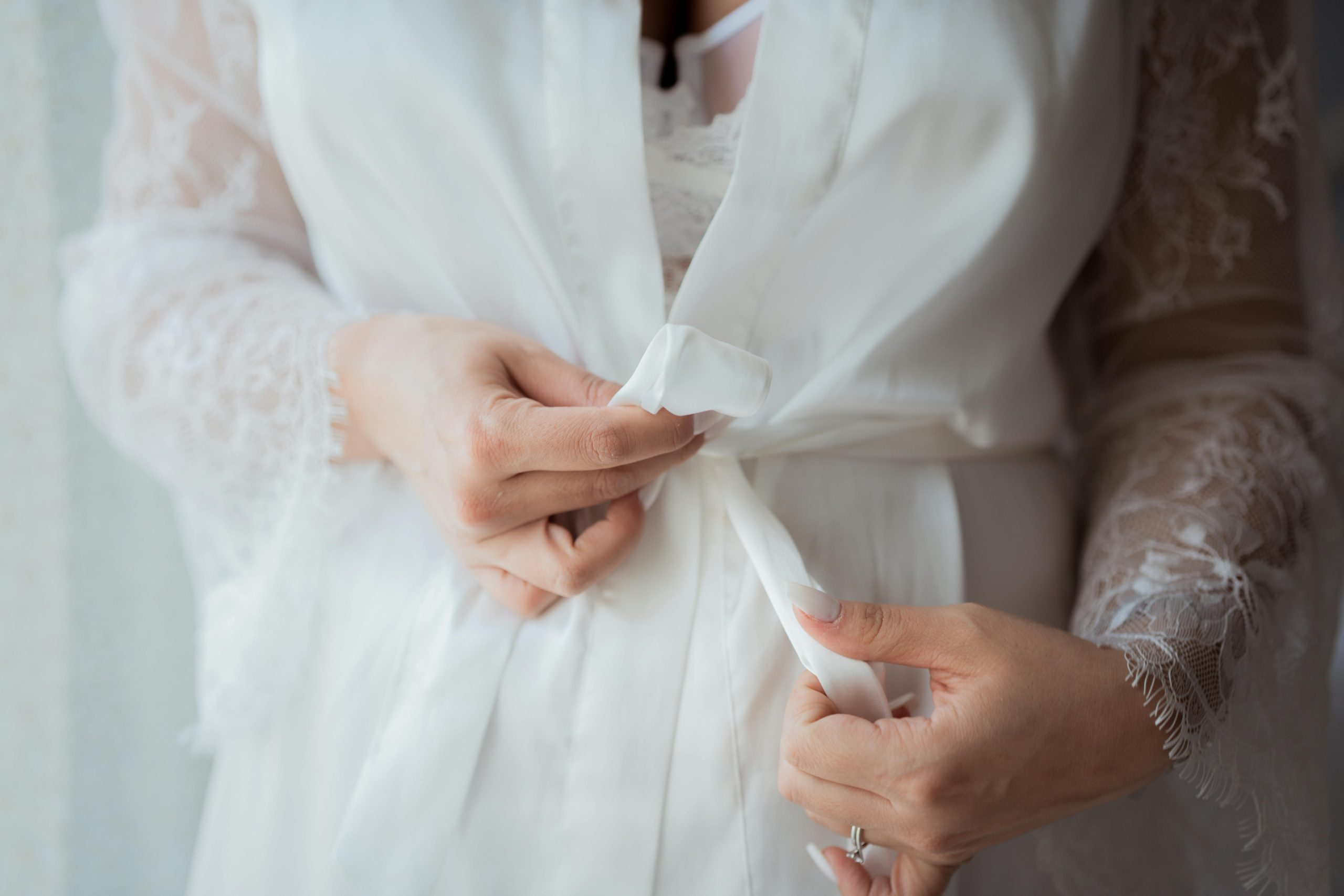
The Traditional Look: White Gowns and Veils
For centuries, white has been the traditional color for wedding gowns. In Western cultures, white symbolized purity and virginity, making it the perfect choice for a bride’s special day. The trend was popularized by Queen Victoria when she wore a white dress for her wedding to Prince Albert in 1840. Since then, white gowns have been a staple in bridal wear, with variations in style and design.
In addition to the color, veils have also been an important part of bridal wear. Historically, veils were seen as a symbol of modesty and a way to ward off evil spirits. As time passed, veils were incorporated into wedding attire as a decorative element, often adorned with lace, pearls, and other embellishments.
The Revolution of Bridal Wear in the 1920s
In the 1920s, women’s fashion saw a drastic change, and bridal wear was no exception. With the rise of the “flapper” style, wedding dresses became more daring and less traditional. Dresses featured shorter hemlines, dropped waistlines, and sleeved or sleeveless designs. The popularization of Hollywood glamor also influenced wedding attire, with brides opting for elegant, silk gowns and headpieces.
During this time, wedding attire also became more accessible to the middle class, with the advent of mass-produced and affordable dresses. This shift allowed brides to incorporate more personal style into their wedding day look.
The Changing Trends in Bridal Wear Through the Decades
The 1950s and 1960s
In the 1950s and 1960s, wedding dresses became more structured, with fuller skirts and cinched waists. Lace and tulle were popular materials, and veils became longer and more dramatic. The fashion icons of the time, such as Audrey Hepburn and Grace Kelly, set the tone for bridal wear, with their elegant and classic styles.
The 1970s and 1980s
The 1970s and 1980s saw a more casual approach to wedding attire, with brides opting for shorter, simpler dresses. The hippie movement influenced bridal wear, with flower crowns and bohemian designs becoming popular choices. In the 1980s, Princess Diana’s iconic wedding dress, with its voluminous sleeves and dramatic train, set a new trend for over-the-top bridal gowns.
The 1990s and 2000s
In the 1990s and 2000s, wedding dresses went through a phase of minimalism, with simple, elegant designs replacing the extravagant styles of the previous decades. Slip dresses, A-line silhouettes, and strapless designs were popular choices for brides. However, in the 2000s, wedding dresses once again became more dramatic, with fuller skirts and elaborate details making a comeback.
The Modern Era: Individuality and Expression in Bridal Wear
In recent years, there has been a shift towards more individuality and self-expression in bridal wear. Brides are no longer limited to traditional white gowns or long veils. They now have the freedom to choose a wedding day look that truly reflects their personal style and preferences.
Non-traditional colors, such as blush, champagne, and even black, have become popular choices for wedding gowns. Brides are also opting for unique and unconventional designs, such as jumpsuits, separates, and even short dresses. Accessories, such as flower crowns, statement earrings, and personalized jackets, have also become popular ways to add a personal touch to wedding attire.
In Conclusion
The evolution of bridal wear and wedding attire has been a reflection of society and its changing views on marriage, fashion, and personal expression. From traditional white gowns to modern, unconventional designs, brides now have endless options to choose from. Whether it’s a nod to tradition or a way to showcase personal style, wedding attire will continue to evolve and adapt to the ever-changing trends and preferences of couples around the world.
So, if you’re a soon-to-be bride, don’t be afraid to step out of the traditional box and let your personal style shine on your special day!