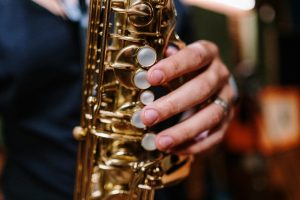
The Role of Music in Religious and Ritual Practices

Music has played a crucial role in human culture for centuries. It has the power to move us, to inspire us, and to bring us together. This is especially true in the context of religion and ritual practices, where music has been an integral part of spiritual and communal experiences. In many religious traditions, music has been used as a tool to express devotion, to connect with the divine, and to create a sense of fellowship within a community. In this article, we will explore the role of music in religious and ritual practices, its significance, and the ways in which it has shaped our spiritual and cultural identities.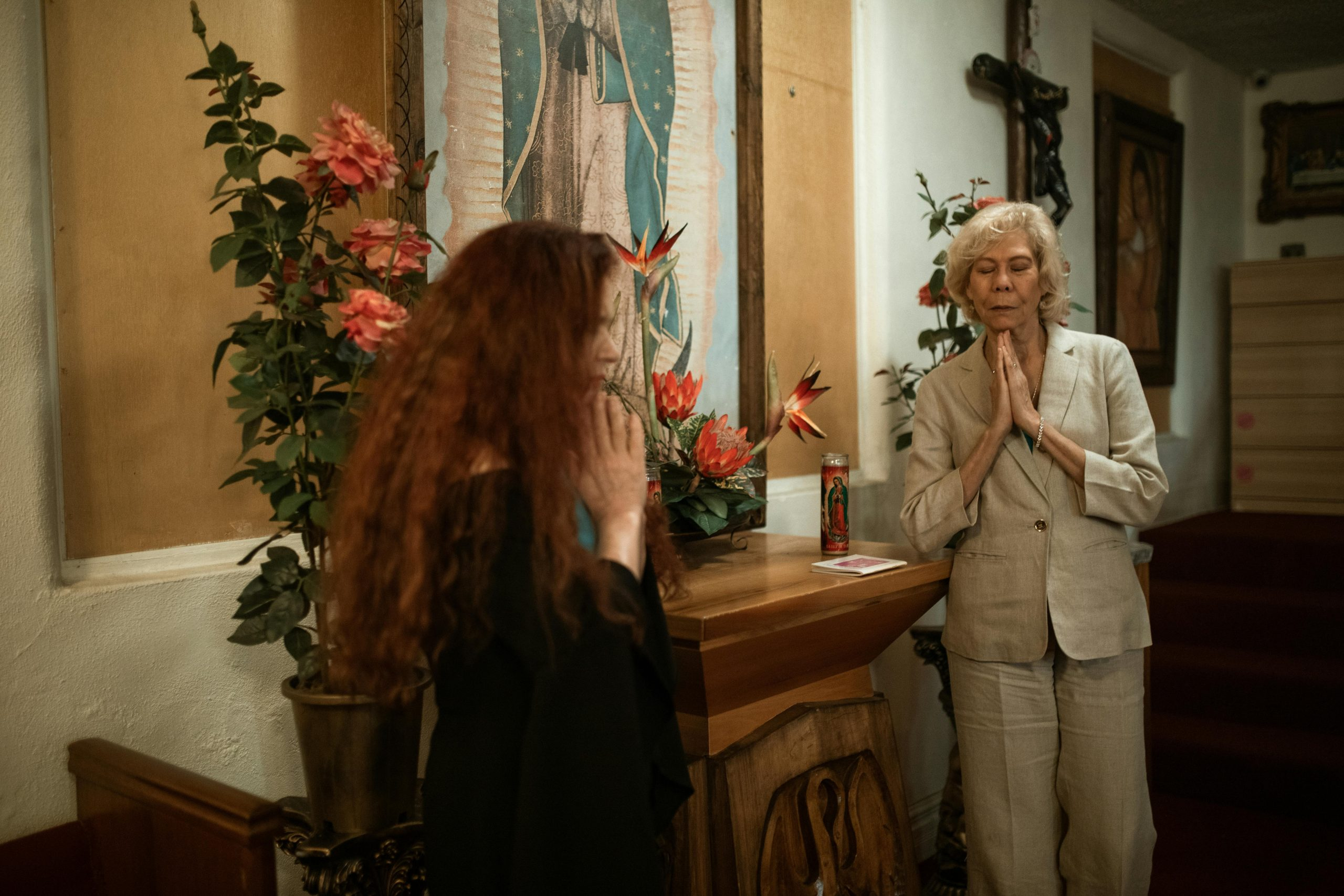
The Power of Music in Ancient Religious Practices
The use of music in religious and ritual practices can be traced back to ancient times. In ancient civilizations such as Egypt, Greece, and Mesopotamia, music was an essential element in spiritual ceremonies and rituals. In these societies, music was believed to have the power to evoke the gods, to communicate with the divine, and to create a sense of harmony and unity among worshippers.
The Role of Music in Ancient Egyptian Religion
In ancient Egypt, music was a vital component of religious ceremonies and rituals. It was used to honor the gods and goddesses, to appease the spirits, and to seek their favor. A variety of musical instruments, such as harps, flutes, and drums, were used in temple rituals and processions. According to Egyptian beliefs, music had the ability to connect the physical and spiritual worlds, and it was seen as a way to maintain harmony and balance in the universe.
The Significance of Music in Ancient Greek Religion
In ancient Greece, music was an integral part of religious practices and was considered a sacred art form. The Greeks believed that music had the power to influence the emotions, thoughts, and behaviors of individuals. In their religious ceremonies, they used music to invoke the gods, to purify the soul, and to create a sense of unity among the worshippers. The most notable example of the use of music in Greek religion is the chorus, which combined music, dance, and poetry to tell stories and to honor the gods.
Music in Modern Religious Practices
The use of music in religious and ritual practices has continued to evolve over time. In modern times, various religions and spiritual traditions have incorporated music into their practices in different ways, reflecting the diversity of beliefs and cultural contexts.
The Role of Sacred Music in Christianity
In Christianity, music has always been an essential part of worship. It is used in church services, ceremonies, and celebrations to praise God and to express devotion. The history of sacred music in Christianity can be traced back to the early Christian period when songs and hymns were used to spread the teachings of Jesus and to strengthen the faith of believers. Today, sacred music is still an integral part of Christian practices, with different genres such as hymns, chants, and contemporary Christian music being used in various denominations and traditions.
The Musical Traditions of Hinduism
Hinduism is a religion with a long and rich musical tradition. The use of music in Hinduism can be traced back to the Vedas, ancient sacred texts, which contain hymns and chants used in religious ceremonies and rituals. In Hinduism, music is seen as a form of worship and a means to connect with the divine. Bhajans, devotional songs, are a popular form of music in Hinduism, used in both individual and communal practices.
The Impact of Music on Religious and Ritual Practices
The role of music in religious and ritual practices goes beyond its use as a tool for spiritual expression. Music has the power to create a sense of community, to foster a connection with the sacred, and to deepen the emotional and sensory experience of worship. It can also serve as a means of conveying religious teachings, stories, and beliefs to future generations.
Furthermore, music has the ability to transcend cultural and linguistic barriers, uniting people from different backgrounds and beliefs through a shared spiritual experience. It has been used in interfaith events and dialogues as a way to promote understanding and harmony among diverse communities.
Conclusion
Music has been an integral part of religious and ritual practices throughout human history. Its power to evoke emotions, to connect with the divine, and to unite communities has made it an essential element in spiritual experiences. As we continue to explore and celebrate our diversity, music will undoubtedly continue to play a crucial role in shaping our religious and cultural identities.
Using music as a tool for spiritual expression and connection is a timeless tradition that continues to thrive in our modern world. Whether it is through traditional chants, hymns, or contemporary worship songs, music will continue to bring us closer to the divine and to each other.