
The History of the Saxophone and Its Jazz Role

The saxophone is one of the most recognizable and beloved instruments in the world of jazz. Its smooth, sultry sound has captivated audiences for decades, making it an integral part of the genre. But where did this versatile instrument come from, and how did it become such a prominent feature in jazz music? In this article, we delve into the history of the saxophone and explore its role in the world of jazz.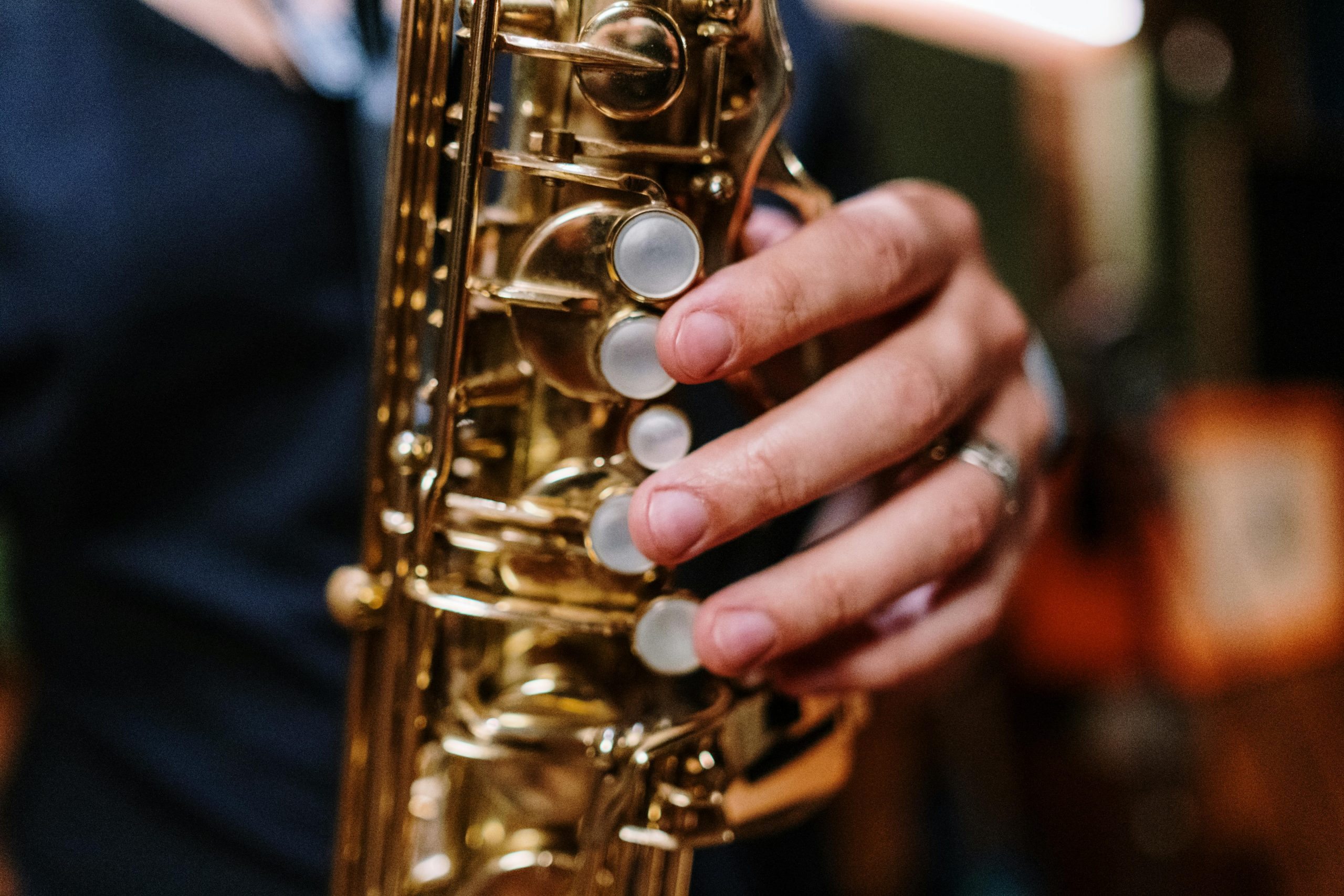
The Early Beginnings of the Saxophone
The saxophone was invented in the early 1840s by a Belgian instrument maker named Adolphe Sax. Born in Dinant, Belgium, Sax came from a family of instrument makers and had a strong interest in acoustics and music from a young age. After tinkering with various designs, Sax created the first saxophone in 1841, patenting it a year later.
Initially, Sax envisioned the saxophone as a classical instrument that would fill the gap between woodwinds and brass instruments. However, it was not until the saxophone reached the United States that it found its true calling in the world of jazz.
The Saxophone and Jazz
The New Orleans Connection
While the saxophone was invented in Europe, its popularity in jazz music can be traced back to the city of New Orleans. In the late 19th and early 20th centuries, New Orleans was a melting pot of cultures and musical styles, with African, European, and Caribbean influences all coming together. Jazz, a musical genre that fused all of these influences, was taking shape in the city, and the saxophone was a perfect fit for this unconventional style.
One of the pioneers of jazz and the saxophone was the legendary musician Sidney Bechet. Hailing from New Orleans, Bechet was one of the first musicians to improvise on the saxophone, a technique that became synonymous with jazz music. With his unique sound and virtuoso playing, Bechet popularized the saxophone in the early days of jazz and set the stage for its future in the genre.
The Jazz Age and the Big Band Era
As jazz music gained popularity in the 1920s and 1930s, the saxophone became a staple in big band ensembles. Bands such as Duke Ellington’s and Count Basie’s had multiple saxophonists, with each member often playing different types of saxophones to create a rich and layered sound. The saxophone’s versatility and ability to switch between melodic lines and solos made it a key component of big band music.
Bebop and the Saxophone
In the 1940s, jazz underwent a significant shift with the emergence of bebop, a more complex and abstract style of music. The saxophone played a vital role in this new form of jazz, with legendary saxophonists such as Charlie Parker and John Coltrane pushing the boundaries of the instrument with their technical prowess and improvisational skills.
During this era, the saxophone also became a symbol of rebellion, especially among younger generations. Jazz clubs, which had always been seen as places for adults, became hangouts for the youth, with the saxophone representing the rebellious and free-spirited nature of the music.
The Iconic Saxophonists of Jazz
Over the decades, jazz has seen many talented saxophonists who have influenced the music with their unique styles and innovative techniques. Some of the most iconic names in jazz history include John Coltrane, Charlie Parker, Sonny Rollins, Lester Young, and Stan Getz. Each of these musicians has left a lasting legacy and has helped shape the saxophone’s role in jazz music.
Conclusion
The saxophone has come a long way since its invention in the 19th century. From its origins in European classical music to its current role in jazz, the saxophone has evolved and adapted, becoming an essential part of one of the most beloved genres of music. As jazz continues to evolve, we can only imagine the new ways in which the saxophone will make its mark on the music scene.
In summary, the saxophone has a rich and fascinating history in jazz music, from its beginnings in New Orleans to its notable players and its iconic status as a symbol of rebellion. As jazz continues to thrive, the saxophone will undoubtedly remain a vital part of this dynamic and evolving genre.