The Evolution of Kitchen Design from Hearth to Open Concept
Kitchen design has come a long way since the humble hearth, where our ancestors cooked over an open fire. As society and technology advanced, so did our kitchen design. Today, we have evolved to the popular open concept kitchen, where the kitchen seamlessly integrates with the rest of our living space. This evolution has not only changed the way we cook but has also transformed the kitchen into a central hub of the home. In this article, we will take a deeper look at the evolution of kitchen design from hearth to open concept and the impact it has had on our daily lives.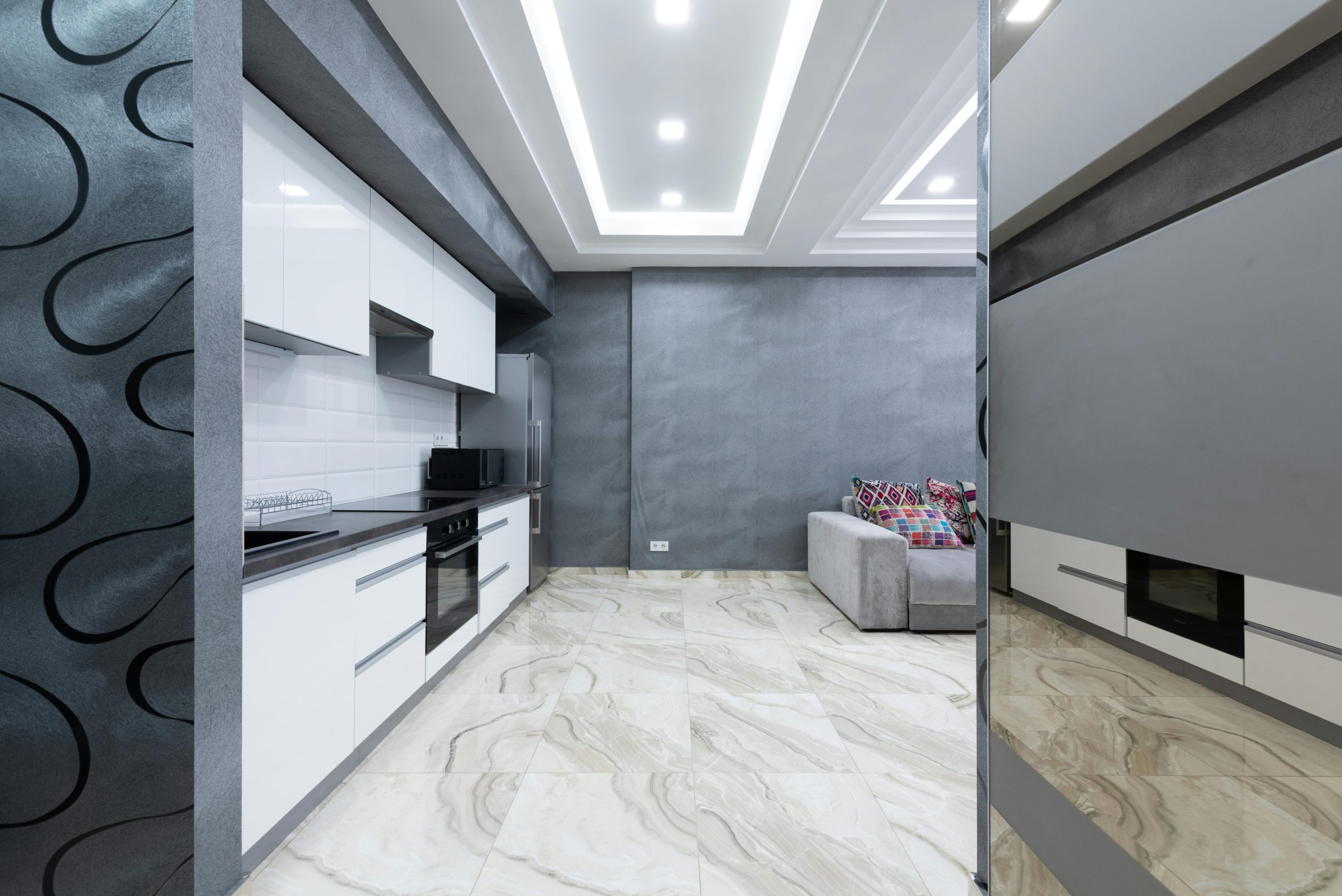
The Hearth Era: Simple and Functional
In the earlier centuries, kitchens were nothing more than a simple, functional space. The hearth or fireplace was the center of cooking, and the rest of the appliances, such as pots and pans, were placed around it. Kitchens were usually located in a separate building or room and were mainly used for preparing and cooking meals. The design was basic, with little to no thought given to aesthetics.
During this time, kitchens were also heavily influenced by the social class. Wealthier families had larger and more elaborate kitchens, while working-class families had smaller, simpler ones. The hearth was also used for heating water and often served as a gathering spot for the family to keep warm and socialize.
The Industrial Revolution and the Rise of the Victorian Kitchen
The Industrial Revolution brought significant changes to kitchen design. With the invention of new kitchen utensils and appliances, such as stoves, refrigerators, and sinks, the kitchen became more functional and efficient. The Victorian era also saw a significant shift in kitchen design, with an emphasis on cleanliness and hygiene. Kitchens were now designed with built-in cupboards and cabinets, and separate working areas for food preparation and cooking were introduced. As a result, kitchens became more organized and tidy.
The Golden Age of Kitchen Design: The 1950s and 1960s
The 1950s and 1960s were considered the golden age of kitchen design. With the post-war economic boom, families started spending more time in the kitchen, and it became a symbol of prosperity. Kitchens during this time were designed with brightly colored appliances, such as refrigerators and stoves, and had colorful linoleum or vinyl flooring. This era also saw the introduction of kitchen islands, which provided additional workspace and storage. The open plan kitchen concept also started to gain popularity during this time, where the kitchen was no longer a separate room but opened up to the dining and living area.
The 1970s and Beyond: The Rise of the Open Concept Kitchen
The 1970s saw a significant shift in kitchen design with the rise of the open concept kitchen. This concept created a more fluid and continuous living space, where the kitchen, living, and dining areas merged. It allowed for better communication and interaction between family members and made the kitchen a central hub of the home. The open concept kitchen also gave the illusion of a larger space, making it a popular choice for smaller homes or apartments.
Since then, the open concept kitchen has become a staple in modern homes. It has evolved with various design trends, such as adding kitchen islands, breakfast bars, and incorporating different materials and finishes. The open concept has also brought about new cooking technologies, such as the introduction of the microwave, which played a significant role in transforming the way we cook and use our kitchens.
The Impact of the Evolution of Kitchen Design
The evolution of kitchen design from hearth to open concept has had a profound impact on our daily lives. Kitchens are no longer seen as just a space for cooking, but also a place for socializing, entertaining, and spending quality time with family and friends. The open concept design has also made it easier for families to multitask, with parents being able to cook while keeping an eye on their children or talking to guests at the same time.
Beyond the functional aspect, the kitchen has also become a focal point for design and aesthetic purposes. Homeowners now invest in high-end appliances, stylish cabinetry, and sleek countertops, making the kitchen a statement piece of their home.
In Conclusion
From the simple and functional hearth to the open and inviting open concept kitchen, the evolution of kitchen design has come a long way. It has not only transformed the way we cook but has also changed the way we live and interact with our homes. The kitchen has become the heart of the home, and with the continuous advancements in technology and design, we can only imagine what the future holds for our beloved kitchens.