
Examining the Cultural Significance of Traditional Street Food
Street food is more than just a quick and convenient meal option. It is a representation of a country’s culture, history, and traditions. The hustle and bustle of street food markets, the aromas wafting through the air, and the snaking lines of hungry customers all contribute to the cultural significance of traditional street food. In this article, we will delve deeper into the world of street food and examine its cultural significance.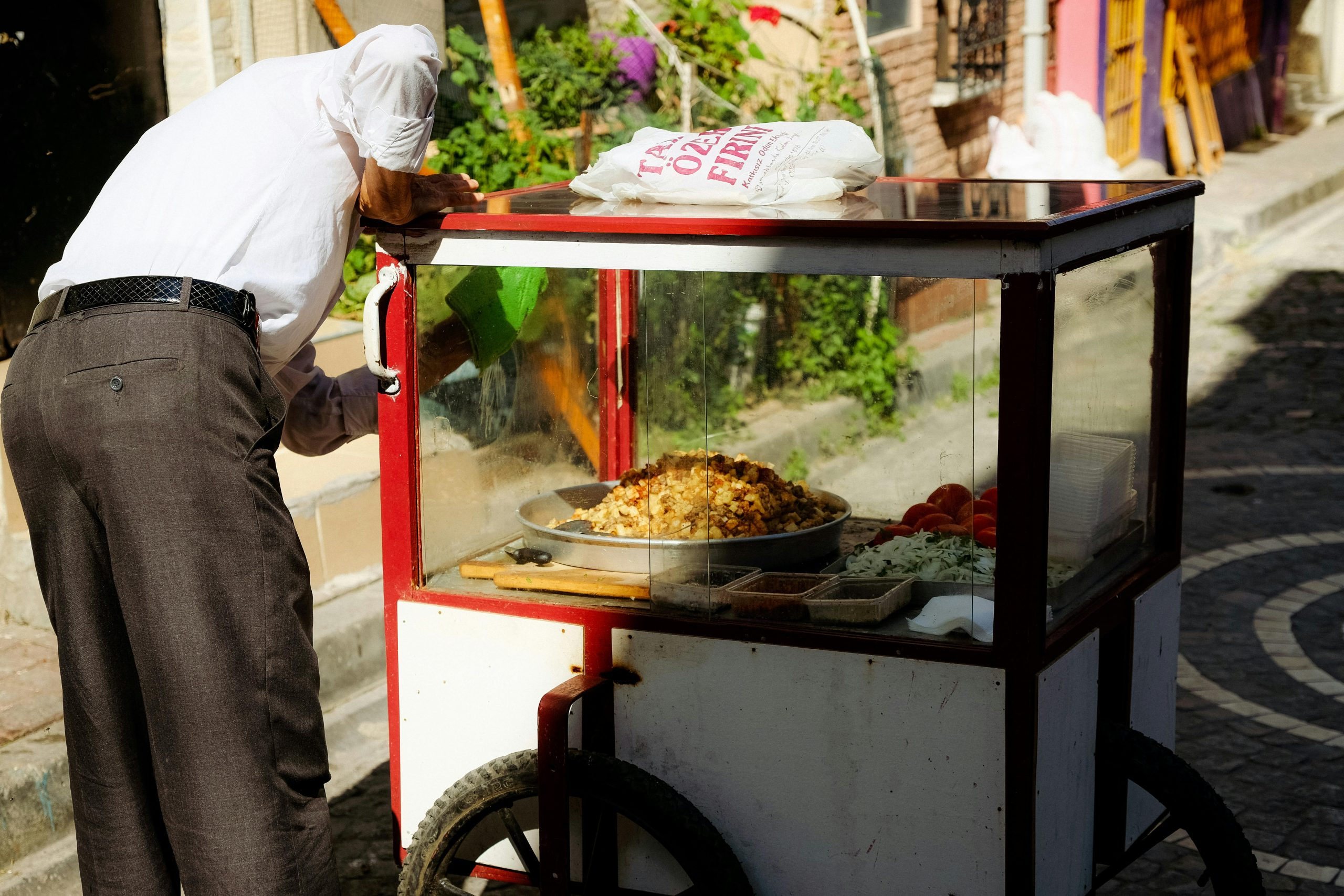
The Origins of Street Food
The origins of street food can be traced back to ancient times when vendors sold food on the streets of Rome and other cities. It was a way for lower-class citizens to earn a living by providing affordable meals for workers and travelers. As civilizations progressed, street food evolved into a vital part of many cultures. In Asia, street food has been a staple for centuries, with street food vendors being a ubiquitous sight in cities like Bangkok and Mumbai.
The Influence of Immigration
Throughout history, immigration has played a significant role in shaping the food culture of a country. As people migrated to other countries, they brought their traditional dishes with them, which led to the fusion of flavors and the creation of unique street food. For example, in New York City, one can find a diverse range of street food from hot dogs and pretzels, brought over by German immigrants, to halal carts, introduced by Middle Eastern immigrants.
Preserving History and Tradition
Traditional street food acts as a time capsule of a country’s history and preserves its cultural traditions. In many countries, street food has remained unchanged for centuries, with vendors using traditional recipes and cooking techniques passed down from generation to generation. Tourists and locals alike can get a taste of the past by indulging in these time-honored dishes.
Community and Connection
Street food markets are not just places to grab a bite to eat; they are also hubs for socializing and connecting with others. It is a common sight to see families and friends gathered around small tables, sharing plates of food and engaging in lively conversations. Street food brings people from different backgrounds together and creates a sense of community and connection.
Adapting to Modern Times
Despite its traditional roots, street food has also evolved to keep up with the modern world. With the rise of social media and food blogging, street food vendors have become creative in their presentations and flavors to attract customers. Some vendors even offer fusion dishes, combining traditional street food with trendy ingredients and cooking methods, catering to the tastes of younger generations.
The Economics of Street Food
The cultural significance of traditional street food goes beyond just its historical and culinary value. Street food plays a vital role in a country’s economy, providing employment opportunities for vendors and contributing to tourism revenue. In many developing countries, street food is a source of income for low-income households, making it an essential component of their livelihood.
In Conclusion
In conclusion, traditional street food is more than just a culinary experience; it is a cultural journey. It represents the history, heritage, and fusion of cultures, bringing people closer and preserving traditions. So, the next time you find yourself wandering the streets of a new city, don’t hesitate to try out the local street food. Not only will you satisfy your hunger, but you will also get a taste of the country’s rich cultural heritage and significance.