
The Future of Office Space: Adapting to New Work Styles
The traditional office space as we know it is rapidly evolving with the changing work landscape. With advancements in technology and an increase in remote work, companies are now facing the challenge of adapting to new work styles. The future of office space is no longer confined to a physical building, but rather a combination of both physical and digital elements. In this article, we will explore the key trends that are reshaping the office space and how businesses can embrace these changes to create a more flexible and efficient work environment.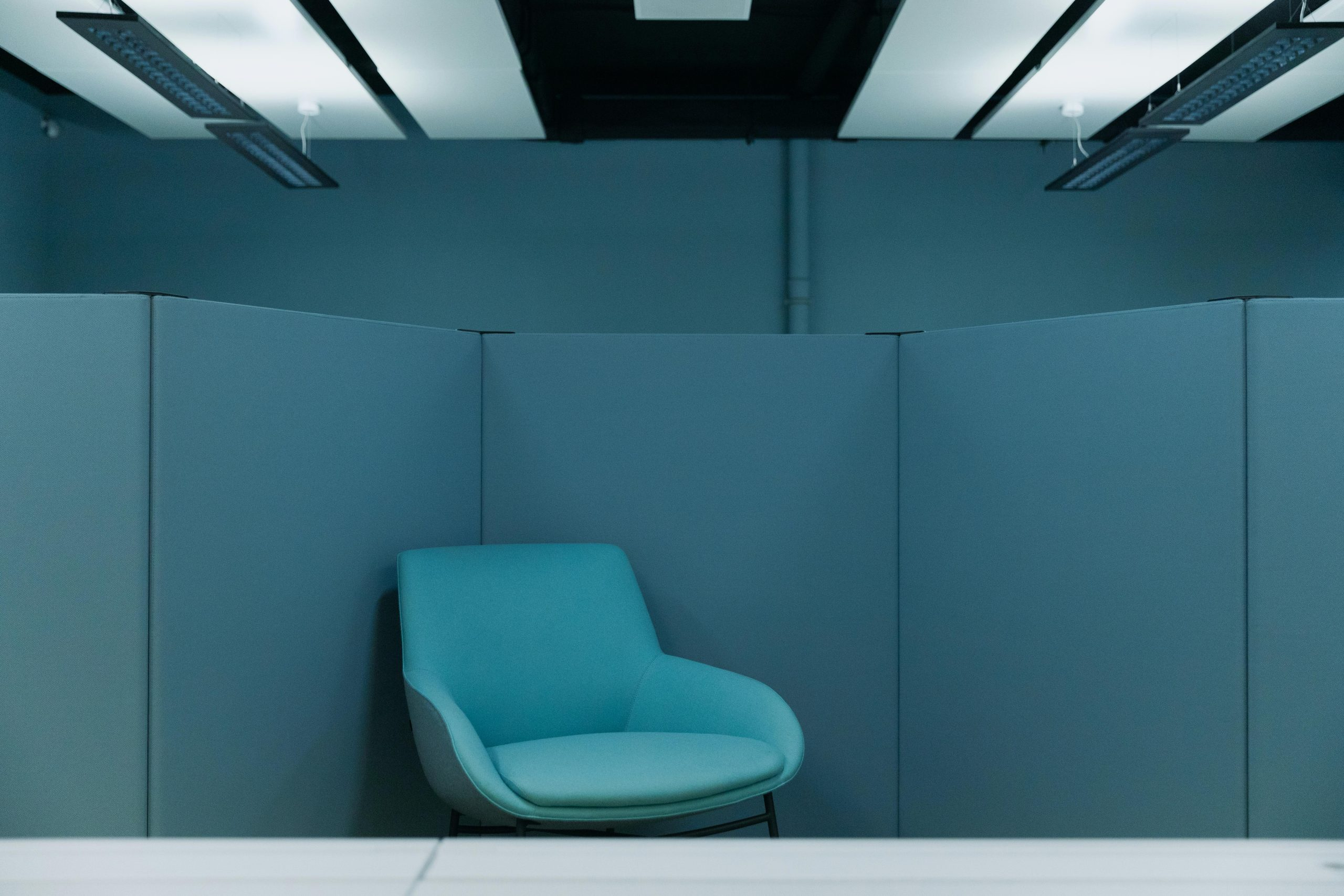
The Rise of Remote Work
The rise of remote work has been a prominent trend in recent years, and the COVID-19 pandemic has accelerated its adoption. Companies have been forced to adapt and allow their employees to work from home to ensure business continuity. This shift has shown that remote work is a feasible option for many businesses and has led to a change in the perception of what an “office” really is.
The Impact on Physical Office Spaces
The rise of remote work has resulted in a decrease in the demand for traditional office spaces. Many companies are now looking to downsize their physical offices, as they realize that they can function with a smaller space or even without one altogether. This has led to a decline in commercial real estate prices in major cities.
On the other hand, some companies have chosen to keep their physical office spaces, but with a different purpose. These spaces are now being redesigned to serve as collaboration and social hubs, rather than a place for individuals to sit and work. This allows for a more flexible work environment, where employees can choose to work from home or come into the office for meetings and team work.
Technology and Flexibility
Technology has played a crucial role in enabling remote work and has also contributed to the increased flexibility in office spaces. With the proliferation of cloud-based tools and virtual communication platforms, employees are no longer tied to a specific location to perform their tasks. This has led to the rise of the “virtual office”, where employees can work from anywhere at any time.
The Importance of a Digital Presence
The shift towards a virtual office has highlighted the importance of having a strong digital presence. Since face-to-face interactions are now limited, businesses must establish an online presence to connect with their customers and employees. This includes having a user-friendly website, active social media presence, and utilizing digital marketing strategies to reach a wider audience.
Furthermore, businesses must also ensure that their employees have the necessary tools and resources to work effectively in a remote setting. This includes providing them with the right hardware and software, as well as offering training and support for remote work.
The Flexibility of Co-Working Spaces
Co-working spaces have been steadily gaining popularity in recent years, and their flexibility makes them an attractive option for businesses. These spaces allow for short-term leases, customizable office layouts, and access to amenities such as meeting rooms, kitchens, and event spaces.
A Cost-Effective Solution
Co-working spaces are a cost-effective solution for companies, as they eliminate the need for large upfront costs for setting up a traditional office. This is particularly beneficial for startups and small businesses that may not have the resources to lease and furnish their own office space. Co-working spaces also offer the added benefit of a sense of community and networking opportunities with other businesses.
Conclusion
The future of office space is one that is flexible, digital, and adaptable to new work styles. Companies must embrace these changes and view them as opportunities to improve efficiency and productivity. The traditional 9-5 office setup is becoming outdated, and businesses must evolve with the times to attract and retain top talent. By incorporating technology, flexibility, and a strong digital presence, businesses can create a modern workspace that meets the needs of their employees and drives business success.