Mastering Remote Learning: Best Practices for Students and Teachers
The rapidly changing times have led to a major shift in the education sector. The traditional classroom setting has now been replaced by virtual learning environments, and students and teachers are faced with the challenge of adapting to this new normal. As we continue to navigate through the uncertainties, one thing remains certain – mastering remote learning is crucial for both students and teachers. In this article, we will discuss the best practices for students and teachers to make the most out of this new way of learning.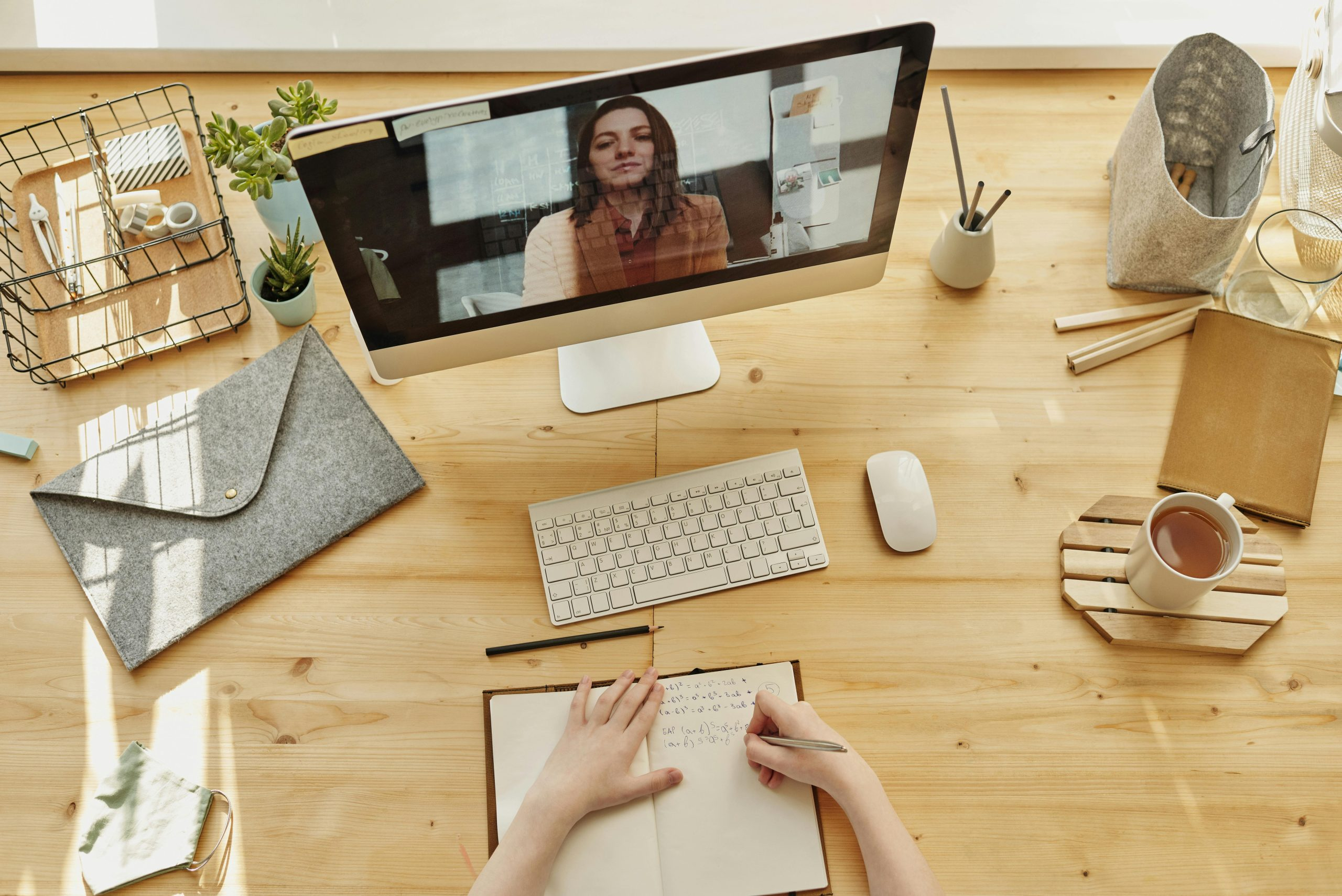
Importance of Mastering Remote Learning
The sudden shift to remote learning has presented a unique set of challenges for everyone involved. Students and teachers now have to deal with added distractions and technical difficulties, while also trying to maintain a productive learning environment. In such circumstances, it becomes essential to master remote learning to ensure that students continue to receive quality education and teachers are able to effectively deliver their lessons.
Best Practices for Students
1. Create a Dedicated Study Space
One of the biggest challenges for students when it comes to remote learning is staying focused. To combat this, it is crucial to create a dedicated study space that is free from distractions. This could be a quiet corner in the house or a separate room where students can attend their classes and study without any disturbance.
2. Stick to a Schedule
When learning from home, it’s easy to fall into the trap of procrastination. To avoid this, it is important for students to create a schedule and stick to it. This includes attending virtual classes, completing assignments, and setting aside time for self-study. Having a routine in place can help students to stay on track and be more productive.
3. Utilize Technology Effectively
Technology plays a crucial role in remote learning, and students must know how to use it effectively. Familiarize yourself with the various online tools and platforms that your school or institution is using for virtual classes. This will ensure a smooth learning experience and reduce the chances of technical difficulties.
Best Practices for Teachers
1. Be Prepared
Just like in a traditional classroom, it is important for teachers to be prepared for their virtual lessons. This includes having all the necessary materials and resources ready beforehand. It is also important to test the technology and ensure that everything is working properly before starting the class.
2. Engage Students using Interactive Methods
With remote learning, it can be challenging to keep students engaged and interested in the lesson. To make learning more interactive, teachers can make use of online tools like quizzes, polls, and breakout rooms. This will encourage active participation and make the classes more engaging for students.
3. Provide Timely Feedback
Feedback is an important aspect of learning, and it becomes even more crucial in a remote learning setup. Teachers should provide timely feedback to students on their assignments and class participation. This will help students to track their progress and identify areas of improvement.
Conclusion
In the face of the pandemic, remote learning has become the new normal. However, with the right approach, students and teachers can make the most out of this situation. By following the best practices mentioned in this article, students can stay focused and continue learning effectively, while teachers can deliver their lessons with ease. As we continue to adapt to the changing times, mastering remote learning has become an essential skill for all.