Preparing Students for the Global Economy and Workforce Demands
The world is becoming increasingly interconnected, with businesses and economies spanning across different continents. As a result, there is a growing demand for a globalized workforce that is adaptable, innovative, and culturally competent. In today’s rapidly changing world, it is essential for educational institutions to prepare students for the global economy and workforce demands. This can be achieved through a combination of academic learning and practical experience, providing students with the necessary skills and competencies to thrive in a globalized society.
Understanding the Global Economy and Workforce
The global economy refers to the interconnectedness of all economies around the world. The growth and development of one economy can have significant implications on other economies, resulting in a ripple effect of economic changes. With advancements in technology and communication, barriers that once hindered international trade and cooperation are rapidly diminishing. This has led to a significant increase in the demand for a globalized workforce, one that is not only able to adapt to different cultures and environments but also possesses the necessary skills to navigate the complexities of the global economy.
The Role of Education in Preparing Students for the Global Economy
Educational institutions have a crucial role to play in preparing students for the global economy and workforce demands. Traditional education systems that focus solely on academic learning are no longer sufficient in today’s globalized world. To thrive in a global economy, students must develop a set of skills and competencies that go beyond their academic qualifications.
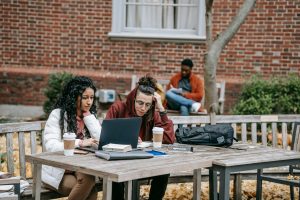
One of the first steps towards preparing students for the global economy is to create a culturally sensitive and diverse learning environment. This involves exposing students to different cultures, traditions, and perspectives, giving them a deeper understanding and appreciation of the world around them. It also allows them to develop cross-cultural communication skills, an essential skill in today’s globalized workforce.
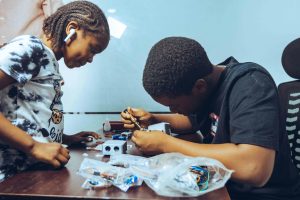
Additionally, education institutions must also incorporate practical experiences and global learning opportunities into their curriculum. This can include study abroad programs, internships with international organizations, and cross-cultural projects. These experiences provide students with the opportunity to apply their academic knowledge in real-world settings, developing valuable skills such as adaptability, problem-solving, and collaboration.
The Need for Global Competencies
Along with specific skills and experiences, students also need to develop a set of global competencies to be successful in the global economy. These competencies include cultural awareness, adaptability, critical thinking, and leadership. Cultural awareness is essential, as it allows individuals to recognize and respect cultural differences, adaptability enables individuals to thrive in different environments and critical thinking equips individuals to navigate complex global challenges.
Furthermore, leadership skills are highly valued in the global economy, and educational institutions must foster an environment that encourages students to develop and showcase their leadership abilities. This can be achieved through opportunities for students to take on leadership roles in group projects or extracurricular activities.
Incorporating Technology in Globalized Education
In today’s globalized world, technology plays a vital role in connecting individuals and businesses across different cultures and geographical locations. Educational institutions must leverage technology to create a globalized learning experience for their students. This can include virtual exchange programs, online courses, and collaboration with international students from different countries.
Additionally, technology can also be used to develop and enhance students’ critical digital literacy skills. In the global economy, individuals need to be proficient in using digital tools and platforms to communicate and collaborate effectively.
The Benefits of Preparing Students for the Global Economy
The benefits of a globalized education are numerous, not just for individuals but also for businesses and economies. Employers value individuals who possess a global mindset and are well-equipped to work in a diverse and interconnected workplace. Students with a global education are also more adaptable, creative, and have a broader perspective, making them valuable assets to any organization operating in the global economy.
Moreover, a globalized education promotes cultural understanding and empathy, leading to a more peaceful and tolerant society. Students who have been exposed to different cultures and perspectives are more likely to be open-minded and accepting of diversity, creating a more harmonious and interconnected global community.
In Conclusion
In a world where the global economy is rapidly expanding, and businesses are becoming increasingly interconnected, it is crucial for educational institutions to prepare students for the global economy and workforce demands. A combination of academic education, practical experiences, and the development of global competencies is necessary to equip students with the skills to thrive in a globalized society. By embracing a globalized education, we can create a more culturally aware, tolerant, and prosperous world.