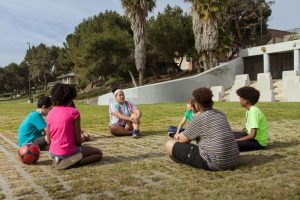
The Power of Peer Tutoring and Collaborative Learning Groups
In today’s education system, there is a strong emphasis on individual learning and achieving academic success through independent study. However, research has shown that students not only benefit from working together, but they also develop essential skills and knowledge through collaborative learning. Peer tutoring and collaborative learning groups are two essential strategies that have gained popularity in recent years, and for good reason. These approaches have shown to have a significant impact on students’ academic performance and personal development. In this article, we will delve into the power of peer tutoring and collaborative learning groups and how they can contribute to students’ success.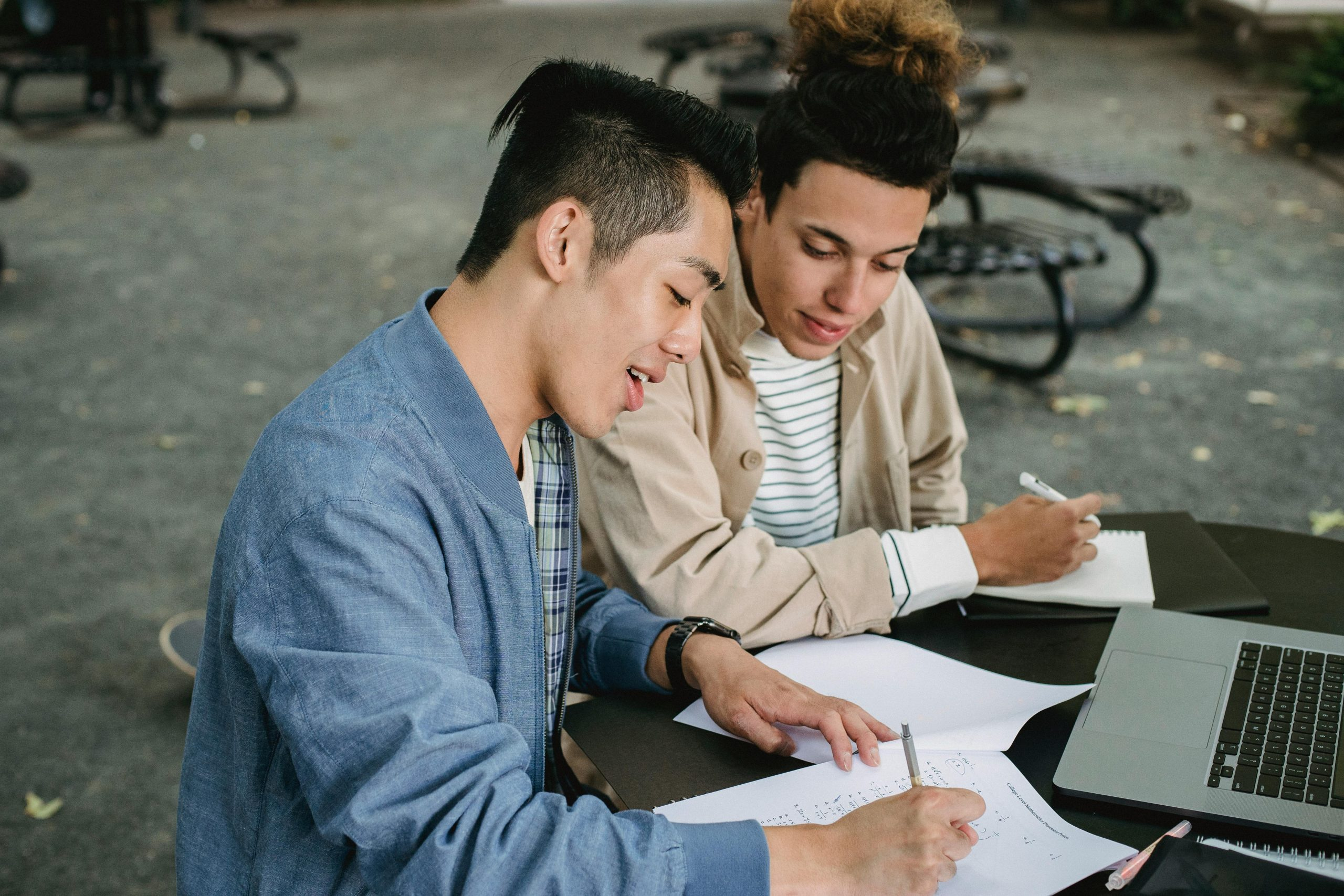
The Benefits of Peer Tutoring
Enhanced Learning
Peer tutoring involves students teaching and learning from each other. This approach allows for a more personalized learning experience, where students can explain and clarify concepts in a way that resonates with their peers. By teaching others, students are forced to think critically and develop a deeper understanding of the subject matter.
Improved Communication Skills
Effective communication is a crucial skill in any field. Through peer tutoring, students not only learn to communicate their ideas and thoughts effectively but also listen and respond to others. This experience can help shy students build their confidence and become better communicators.
Increased Engagement
Peer tutoring creates a supportive and interactive learning environment, which can be more engaging for students compared to traditional classroom settings. When students are actively involved in the learning process, they are more likely to retain information and perform better academically.
The Power of Collaborative Learning Groups
Developing Social Skills
Collaborative learning groups bring students with diverse backgrounds and personalities together, providing them with an opportunity to develop social skills such as teamwork, leadership, and conflict resolution. These skills are essential for students’ personal growth and will benefit them in their future careers.
Encouraging Critical Thinking
In collaborative learning groups, students are encouraged to share their ideas and challenge each other’s perspectives. This approach promotes critical thinking and problem-solving skills, which are important for academic success and real-world applications.
Promoting a Growth Mindset
Collaborative learning groups also foster a growth mindset, where students believe that intelligence and abilities can be developed through effort and hard work. Students in these groups learn from each other’s strengths and weaknesses, rather than comparing themselves to others.
The Synergy of Peer Tutoring and Collaborative Learning
While peer tutoring and collaborative learning groups have their individual benefits, the combination of these two approaches can create even more powerful results. Peer tutors in a collaborative learning group can provide one-on-one support to their peers, resulting in a more personalized learning experience. Additionally, working in groups can help peer tutors develop their leadership and mentoring skills.
The power of peer tutoring and collaborative learning groups lies in their ability to create a positive and supportive learning environment. Students can learn from each other’s strengths and weaknesses, develop important skills, and support each other’s academic growth. These approaches not only contribute to students’ academic success but also prepare them for success in their future endeavors.
In conclusion, the power of peer tutoring and collaborative learning groups cannot be ignored. These strategies offer a more effective and engaging way of learning, promoting critical skills and personal growth. As educators, it is crucial to incorporate these approaches into our teaching methods to support our students’ success in and beyond the classroom.