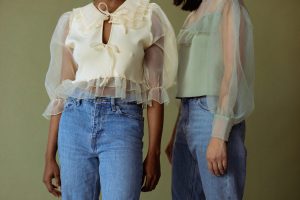
The Evolution of Style: How Historical Eras Influence Modern Trends
The fashion industry is constantly evolving, with new trends and styles emerging each season. But have you ever stopped to think about where these trends come from? Believe it or not, the reemergence of past styles is a significant factor in modern fashion. The saying “what goes around comes around” rings true in the world of fashion. From the elaborate gowns of the Victorian era to the iconic flapper dresses of the 1920s, historical eras have heavily influenced modern fashion trends. In this article, we will take a closer look at the evolution of style and how it continues to shape the fashion world today. 
The Influence of the Past
Fashion is a reflection of society, and it is no surprise that historical events and cultural movements have a significant impact on the garments we wear. Throughout history, clothing has been used as a form of self-expression, and each era has its unique style that reflects the values and beliefs of the time. By understanding the fashion trends of the past, we can gain a better understanding of how they have shaped the fashion landscape we know today.
The Ancient World
If we go back in time to the ancient world, it is evident that clothing was not just used as a means of protection but also as a symbol of social status. In ancient Egypt, pharaohs and nobility were adorned with lavish garments made of precious fabrics and jewels. Similarly, in ancient Greece, elaborate draping and intricate designs were reserved for the wealthy and elite. This idea of exclusive and extravagant fashion continues to influence modern trends, such as the use of luxurious fabrics and high-end designer labels.
The Renaissance Period
The Renaissance period is often referred to as the “rebirth” of fashion, and for a good reason. This era saw a significant shift from the medieval style of dressing, which was primarily focused on functionality, to a more decorative and elegant form of fashion. The use of elaborate garments, such as doublets and corsets, adorned with intricate details, reflected the newfound focus on creativity and individuality. This period also saw a rise in fashion icons, such as Queen Elizabeth I and King Louis XIV, whose extravagant style continues to inspire modern fashion today.
The Roaring Twenties
The 1920s brought about a drastic change in fashion, with the rise of the “flapper” style that was a rebellion against the conservative styles of the past. The decade was all about breaking free from traditional fashion and embracing a more relaxed and carefree look. The iconic flapper dress, with its shorter hemline and shift silhouette, became a symbol of female empowerment and independence. This daring and bold fashion trend paved the way for modern women’s fashion, with its emphasis on comfort and breaking societal norms.
The Return of Retro
Throughout the years, we have seen various fashion trends inspired by past eras making a comeback. From the psychedelic prints of the ’70s to the bold and colorful designs of the ’80s, retro fashion continues to influence modern trends. The revival of these past styles not only brings a sense of nostalgia but also offers a fresh take on fashion and allows us to reinterpret and modernize old trends.
The Modern Take on Vintage
The fashion industry has fully embraced the concept of vintage fashion, with many designers incorporating elements of past styles into their collections. Whether it’s a ’90s-inspired slip dress or a ’60s-inspired A-line skirt, vintage elements can be seen in various modern pieces. This blending of past and present fashion has made it possible for us to create unique and eclectic looks that are constantly evolving.
The Sustainable Fashion Movement
In recent years, there has been a growing trend towards sustainable fashion. As we become more aware of the environmental impact of the fashion industry, people are turning to vintage and second-hand clothing as a way to reduce waste and promote sustainability. This trend has led to the rise of vintage and thrift stores, offering a wide selection of unique and timeless pieces from various eras. By embracing vintage fashion, we not only reduce our carbon footprint, but we also pay homage to past styles and their influence on modern fashion.
In Conclusion
The saying “history repeats itself” is certainly true in the world of fashion. Each era has left its mark on fashion, and their influence continues to shape modern trends. By looking back at the evolution of style, we can appreciate the rich history behind each garment we wear and gain a better understanding of how fashion evolves and adapts with the times. Whether it’s an elaborate Victorian gown or a minimalist ’90s-inspired look, the beauty of fashion lies in its ability to reinvent itself while paying tribute to the past. So the next time you put on your favorite outfit, remember that you are wearing a piece of history, and that is what makes fashion truly timeless.