Understanding Sustainable Fashion: Ethical Choices for Your Wardrobe
Welcome to the world of sustainable fashion! As we become more aware of the impact of our choices on the environment, the need for ethical and sustainable fashion is becoming increasingly important. It’s no longer just about looking good, but also about feeling good and making a positive contribution to the planet. In this article, we will explore the concept of sustainable fashion and how you can make ethical choices for your wardrobe.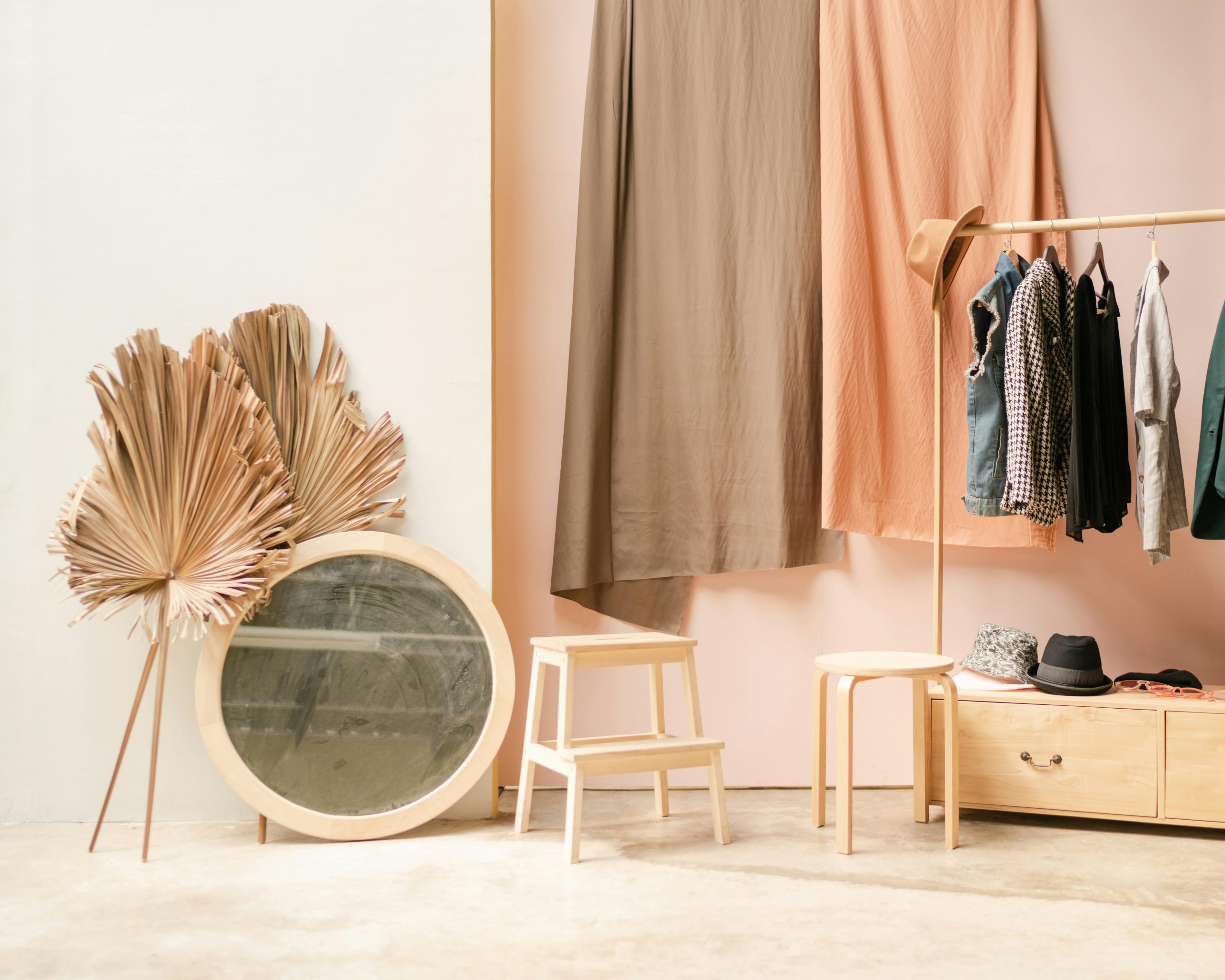
What is Sustainable Fashion?
Sustainable fashion is a term that refers to clothing and accessories that are made in an environmentally and socially responsible manner. It takes into consideration the entire life cycle of a garment – from the sourcing of raw materials to the manufacturing process and eventual disposal. The goal of sustainable fashion is to minimize the negative impact on the environment, while also promoting social responsibility and fair labor practices.
The Environmental Impact of Fast Fashion
Fast fashion has become a major contributor to the environmental crisis we are facing today. The constant cycle of producing and consuming new clothing has led to overproduction and excessive waste. The fashion industry is the second largest polluter in the world, just behind the oil industry. The amount of water, energy, and chemicals used to produce clothing is staggering, and the pollution caused by the disposal of unwanted garments has a detrimental effect on our planet.
It’s important to understand that clothing production isn’t the only stage that causes harm to the environment. The transportation of materials and finished products also contributes to carbon emissions and climate change. These harmful effects are often overlooked by consumers, who tend to focus solely on the price and style of the clothing they are purchasing.
The Social Impact of Fast Fashion
In addition to its environmental impact, fast fashion also has a negative effect on the people involved in the production process. Many large fashion companies outsource their manufacturing to developing countries where labor is cheaper. This often leads to poor working conditions, low wages, and exploitation of workers. Fast fashion’s demand for cheap and quick production also puts pressure on factories to cut costs and meet tight deadlines, often resulting in sweatshop-like conditions.
The need for constant new trends also means that clothes are often designed to be worn only a few times before they are thrown away. This perpetuates a cycle of overconsumption and contributes to the cycle of poverty for factory workers who are unable to make a living wage.
How to Make Ethical Choices for Your Wardrobe
Now that we understand the negative impact of fast fashion, it’s time to take action and make a change in our consumption habits. Here are some tips to help you make more ethical choices for your wardrobe:
1. Educate Yourself
The first step is to educate yourself about the fashion industry and its impact on the environment and society. This will help you make more informed decisions when it comes to purchasing clothing. There are many documentaries, books, and articles available that can provide you with valuable information on sustainable fashion.
2. Buy Less, Choose Well
This is the key to sustainable fashion. Instead of being caught up in the cycle of constantly buying new clothes, invest in quality pieces that will last longer. Choose timeless designs rather than following short-lived trends. When making a purchase, ask yourself if you really need the item and how often you will wear it.
3. Choose Sustainable Fabrics
The choice of fabric is crucial when it comes to sustainable fashion. Avoid synthetic fabrics such as polyester and choose natural and organic materials like organic cotton, linen, and hemp. These materials are biodegradable, use less water and energy during production, and are less harmful to the environment.
4. Buy Second-Hand
Thrifting is an excellent way to reduce your carbon footprint and save money. By purchasing second-hand clothing, you are giving these items a new life and diverting them from ending up in landfills. You can also find unique and vintage pieces that add character to your wardrobe.
5. Support Ethical Brands
Do some research and support brands that promote sustainable and ethical practices. Look for certifications such as Fair Trade, GOTS (Global Organic Textile Standard), and B Corporation that ensure ethical and sustainable practices.
Conclusion
Sustainable fashion is not just a trend, but a necessity. As consumers, we have the power to make a difference by choosing ethical and sustainable options for our wardrobe. By supporting brands that prioritize the well-being of the planet and its people, we can create a more sustainable and just fashion industry.
Remember, every small choice we make has a big impact. Let’s work towards a more sustainable and ethical future for fashion together.