
Examining the Narrative Power of Food Memoirs and Cookbooks
Food is an essential part of our lives. It sustains us, brings us comfort, and holds the power to transport us to different places and memories. It is no wonder then, that food has been a prevalent subject in literature, particularly in the form of food memoirs and cookbooks. These collections of personal stories and recipes have gained popularity in recent years, with their ability to not only tantalize our taste buds but also capture our hearts and minds. In this article, we will be examining the narrative power of food memoirs and cookbooks, exploring how they go beyond just providing culinary instructions and hold the potential for rich storytelling and cultural exploration. 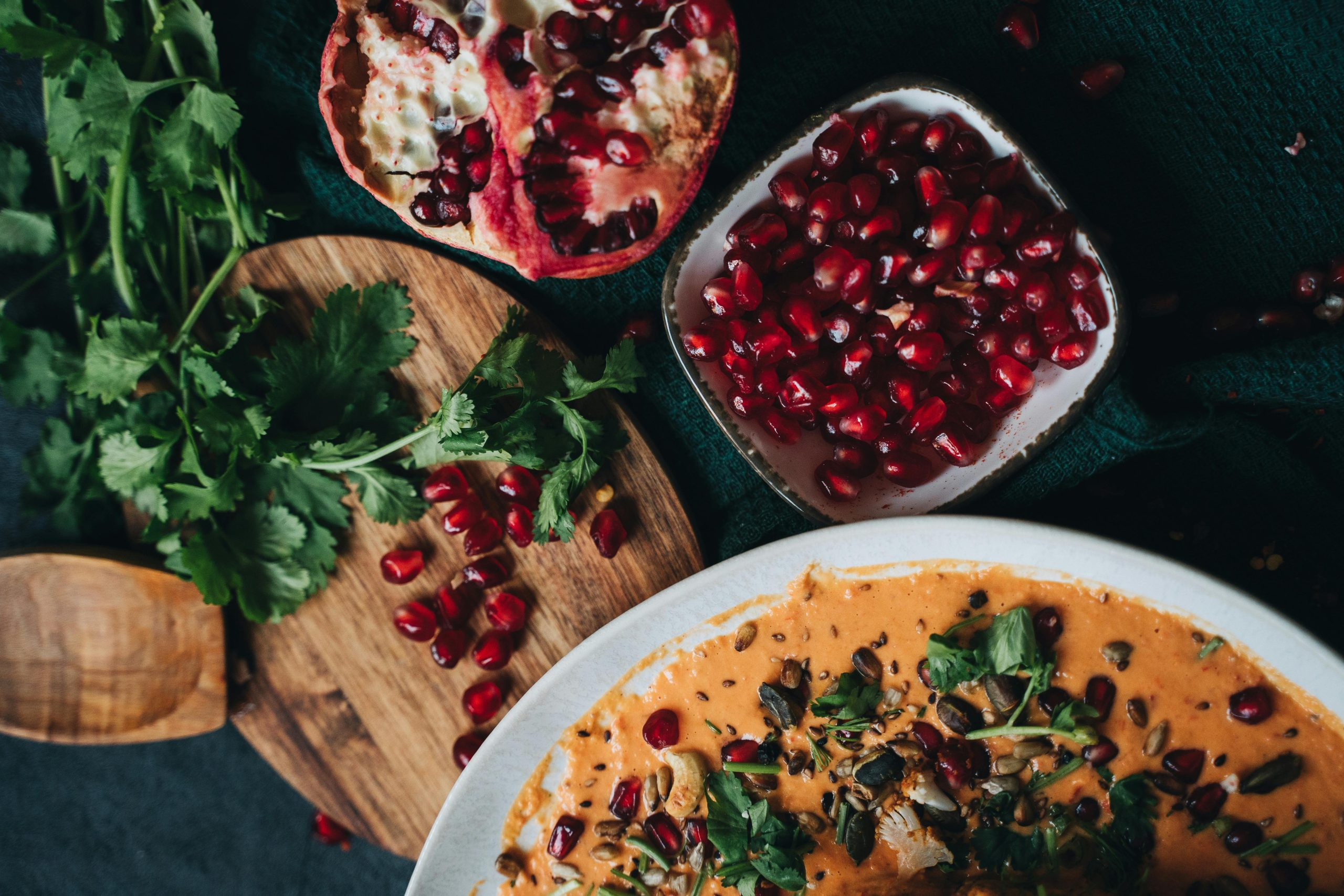
The Power of Personal Narratives in Food Memoirs
Food memoirs are autobiographical accounts that revolve around the role of food in a person’s life. They give readers an intimate look into the author’s relationship with food, often through personal stories and memories associated with specific dishes. These narratives not only serve as a form of catharsis for the authors, but also allow readers to connect with the writer on a deeper level and reflect on their own relationship with food.
One of the most famous examples of a food memoir is ‘Eat, Pray, Love’ by Elizabeth Gilbert, where she takes readers on a journey of self-discovery through her travels and relationship with food. Through her writing, readers experience different cultures and cuisines, and the significance they hold in one’s life. Similarly, ‘Julie and Julia’ by Julie Powell chronicles a year in her life where she attempts to cook all of Julia Child’s 524 recipes, giving readers a glimpse into her ups and downs, both in and out of the kitchen.
The Culinary Stories of Cookbooks
Cookbooks may seem like a straightforward compilation of recipes, but upon closer examination, they are also a form of storytelling. Each recipe carries a story and holds a significant cultural or personal value for the author. These stories are often woven into the instructions, creating a deeper connection between the reader and the food they are preparing.
One of the most iconic cookbooks in this regard is ‘Mastering the Art of French Cooking’ by Julia Child. The book not only contains hundreds of classic French recipes but also chronicles Child’s journey of learning and mastering French cuisine. Her stories and engaging writing style bring the recipes to life, making the book a timeless classic.
The Influence of Culture and Identity on Food Narratives
Food memoirs and cookbooks also have the power to explore and celebrate different cultures and identities through food. They give readers a taste of traditions, customs, and flavors from around the world, showcasing the unique role that food plays in shaping a person’s identity and community.
’Nopalito: A Mexican Kitchen’ by Gonzalo Guzmán is a cookbook that showcases the vibrant and diverse flavors of Mexican cuisine. It not only contains authentic recipes but also delves into the cultural history and influences behind each dish. ‘Kalinga Cuisine: Flipping Through Sherwet’s Pages’ by Sherwet Dugwen, is another example of a cookbook that not only shares traditional recipes but also delves into the customs and way of life of the indigenous Kalinga tribe in the Philippines.
The Future of Food Narratives
The rising popularity of food memoirs and cookbooks shows that people are drawn to stories and personal experiences connected to food. As we continue to navigate through a constantly changing food landscape, these narratives will play a crucial role in preserving and celebrating culinary traditions and identities.
Additionally, the rise of digital platforms and self-publishing has increased the accessibility and diversity of these narratives. Now, more than ever, we have the opportunity to discover and explore new cultures, cuisines, and personal stories through the power of food writing.
In Conclusion
Food has always been more than just a means to nourish our bodies – it holds the power to bring us together, evoke emotions, and tell stories. Food memoirs and cookbooks are a testament to this narrative power, showcasing the multifaceted ways in which food influences our lives. As we continue to devour these literary treats, let us savor not only the flavors but also the tales they have to tell.