The Art of Arranging Ingredients for Stunning Charcuterie Boards
Charcuterie boards have become a staple at social gatherings, dinner parties, and even as a savory snack for a night in. These beautifully arranged platters of cured meats, cheeses, fruits, nuts, and crackers have become not only a feast for the palate, but also a feast for the eyes. However, creating a stunning charcuterie board is not as simple as throwing random ingredients onto a wooden board. It takes skill, creativity, and knowledge to arrange the perfect combination of flavors and textures that will leave your guests in awe. In this article, we will delve into the art of arranging ingredients for stunning charcuterie boards and elevate your next charcuterie experience to a whole new level.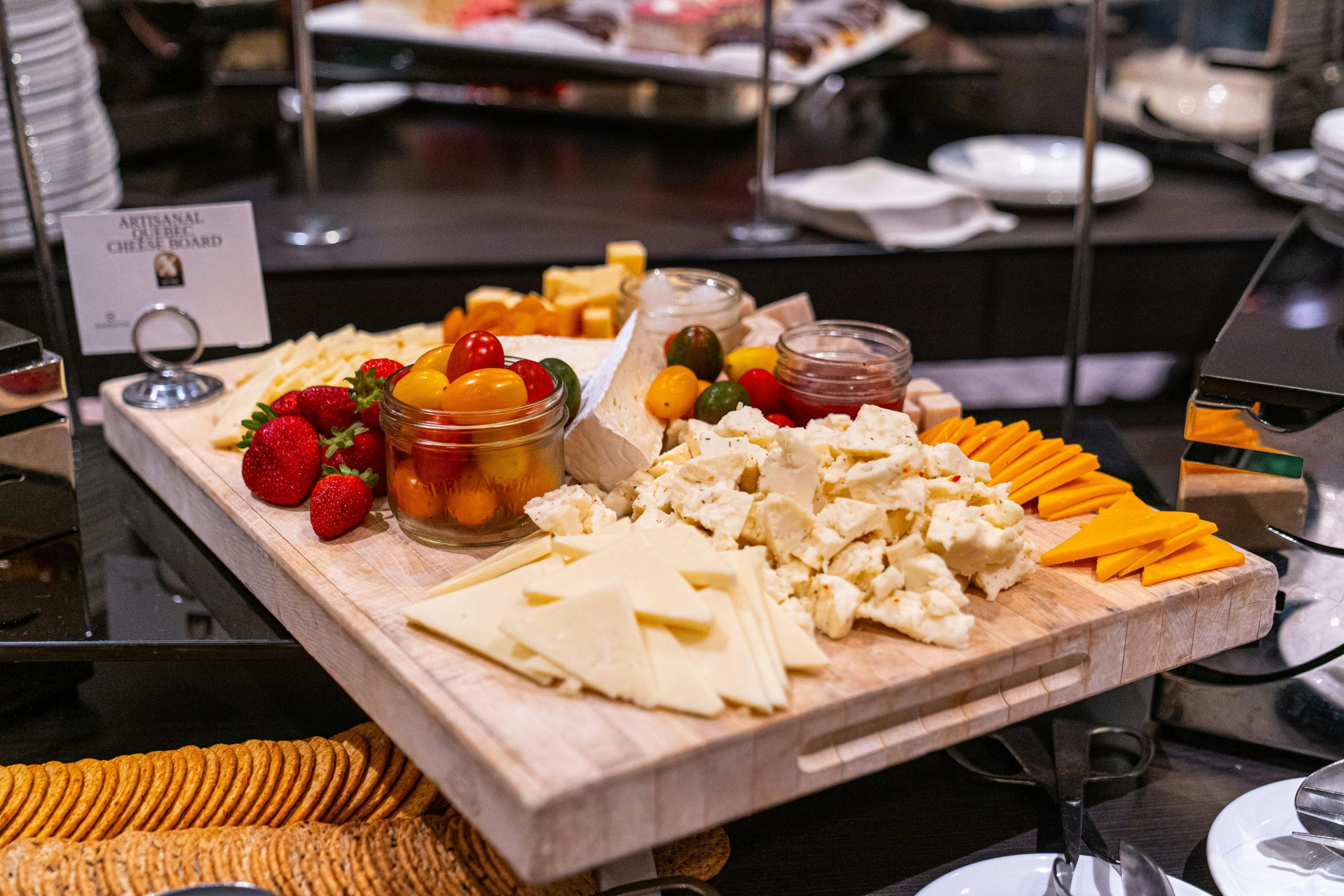
Understanding the Basics
Before we dive into the art of arranging, it’s important to understand the basic components of a charcuterie board. These include meat, cheese, accompaniments, and presentation. Let’s break it down further.
Meat
The star of the show, meat, is the main component of a charcuterie board. Cured meats such as prosciutto, salami, and chorizo are traditional choices and provide a variety of flavors and textures. It’s important to select a variety of meats that differ in taste and presentation. For example, pair thinly sliced prosciutto with rolled salami for a visually appealing platter. Consider adding a few hot or spicy meats to add a touch of heat to your board. And don’t forget about vegetarian options such as marinated artichokes or roasted bell peppers for those with dietary restrictions.
Cheese
Cheese is another essential component of a charcuterie board. A variety of soft and hard cheeses is recommended to cater to different tastes and textures. Soft cheeses like brie and camembert pair well with dried fruits and nuts, while aged cheeses like cheddar and gouda provide a sharp and tangy flavor. Be sure to include a mix of cow, goat, and sheep cheese to provide a variety of tastes.
Accompaniments
The accompaniments on your charcuterie board not only add flavor, but they also contribute to the overall presentation. Fruits like grapes, berries, and figs add a pop of color and freshness to your board. Nuts such as almonds, walnuts, and cashews provide a crunchy texture and pair well with cheese and meat. Don’t forget about spreads like honey or fruit jams, which can add a touch of sweetness to your board.
Presentation
Presentation plays a crucial role in the art of arranging ingredients for stunning charcuterie boards. The key is to create a balance between colors, textures, and shapes. Place your meats in a variety of shapes and forms, such as placing rolled salami in a pyramid shape or creating a fan of prosciutto slices. Cut hard cheeses into cubes or wedges and place them around the board. Add pops of color with fruits and vegetables. And don’t forget about the vessel – use a mix of bowls, platters, and boards to add dimension to your presentation.
The Art of Arranging
Now that you have a solid understanding of the basic components, let’s dive into the art of arranging them on your board. Here are some tips and tricks to elevate your charcuterie board creation:
Start with the largest items first
When it comes to arranging ingredients, start with the biggest items and then fill in the gaps with the smaller items. This will ensure that every inch of your board is utilized and allows for a visually balanced presentation.
Consider color and texture
Aim for a mix of colors and textures when arranging your meats, cheeses, and accompaniments. A monochromatic board can be visually pleasing, but too much of one color can make everything blend together. Add pops of color with fruits and vegetables, and vary textures with different types of cheese, nuts, and crackers.
Use symmetry for an appealing presentation
Symmetry is visually pleasing to the eye, so consider using it in your arrangement. For example, place different types of meats and cheeses in alternating rows or create a symmetrical pattern with your fruits and nuts.
Play with height and dimension
Don’t be afraid to add some height and dimension to your charcuterie board. Use small bowls or ramekins to elevate ingredients, or place some items on top of others to create layers. This not only adds visual interest but also makes it easier for your guests to reach for their desired items.
Experiment and have fun
In the end, the most important tip for arranging ingredients for stunning charcuterie boards is to experiment and have fun. Don’t be afraid to mix and match ingredients or try new combinations. Your board is a reflection of your own taste and creativity, so let it shine.
Final Thoughts
Creating a stunning charcuterie board is truly an art, and it takes practice and experimentation to perfect it. By understanding the basics of components and the art of arranging, you can elevate your charcuterie game and impress your guests with a beautiful and delicious spread. Remember to play with colors, textures, and presentation, and most importantly, have fun with it. Happy arranging!