The Complexities of Writing and Arranging a Cookbook Recipe
Cookbooks have been around for centuries, offering readers a glimpse into the culinary world and providing them with mouth-watering recipes to try at home. But what goes into creating a cookbook recipe? While it may seem like just jotting down a list of ingredients and instructions, there is much more complexity involved in the process than meets the eye. From writing the perfect recipe to arranging it in a way that is easy to follow, creating a recipe for a cookbook is no simple feat. In this article, we will explore the complexities of writing and arranging a cookbook recipe and the important role that Google SEO plays in making it a success.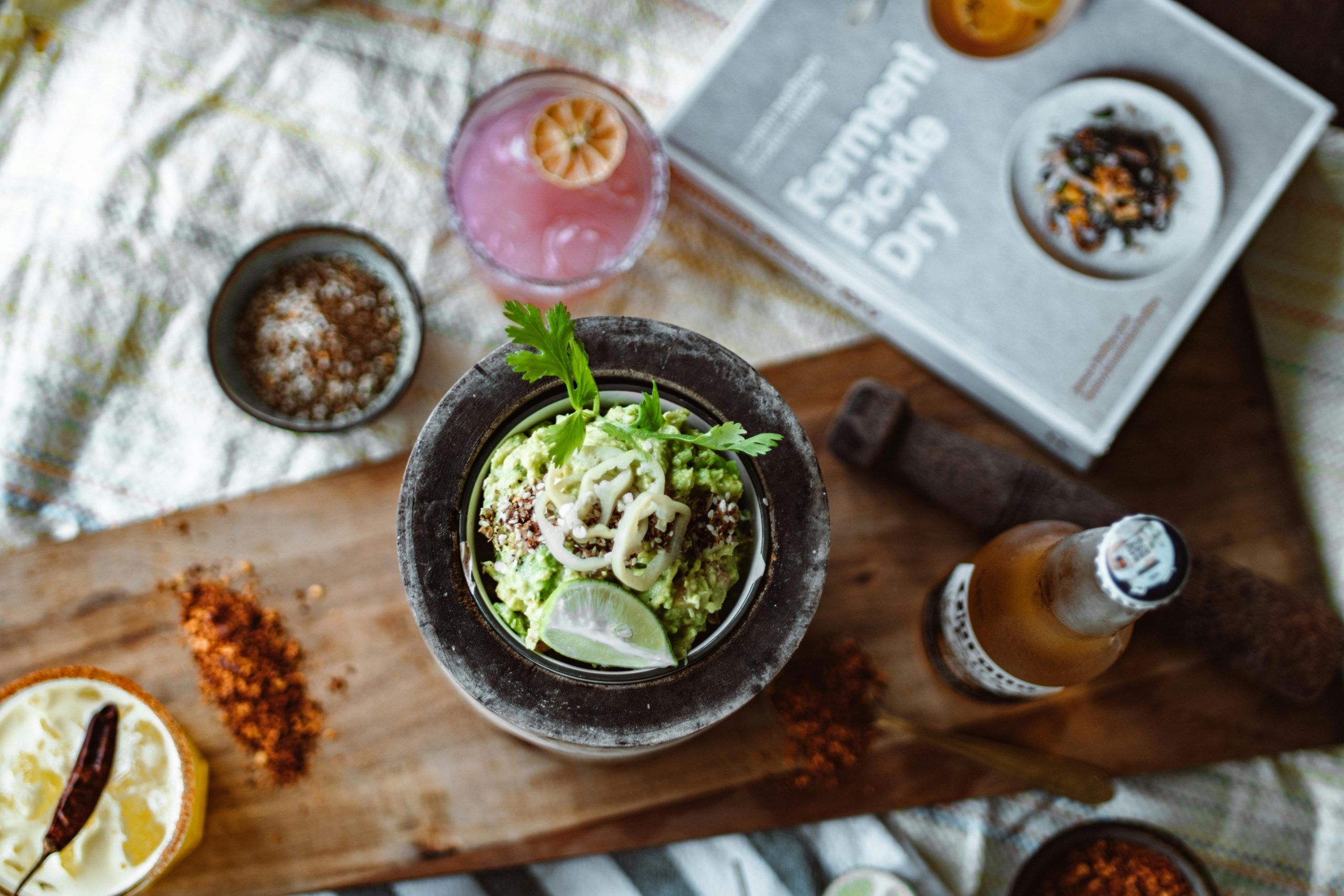
The Art of Writing a Cookbook Recipe
Before we delve into the complexities of arranging a cookbook recipe, it is important to understand the art of writing a recipe itself. At its core, a recipe is simply a set of instructions that guide the reader from start to finish in creating a dish. However, in the context of a cookbook, a recipe is much more than that.
First and foremost, a cookbook recipe needs to be accurate and precise. This means that the ingredients and measurements should be clearly stated in order to ensure that the end result is as close to the author’s intended dish as possible. In addition, the instructions should also be clear and easy to follow, leaving no room for confusion or error.
But writing a cookbook recipe is not just about listing out ingredients and instructions. It also involves storytelling and creating an engaging narrative. A well-written recipe goes beyond just the technical aspects and captures the essence of the dish through vivid descriptions and personal anecdotes. This not only makes the recipe more interesting to read, but it also gives readers a peek into the chef’s personality and cooking style.
The Role of Google SEO in Cookbook Recipes
With the rise of digital media, cookbooks have also made their way into the online realm. This means that in addition to traditional publishing, authors must also consider Google SEO when writing and arranging their cookbook recipes.
Google SEO, or Search Engine Optimization, is the practice of optimizing online content in order to rank higher in search engine results. This is crucial for cookbook authors as it helps their recipes to be discovered and stand out amongst the sea of online content.
One key aspect of Google SEO is the use of keywords. Keywords are the words and phrases that users enter into search engines when looking for a particular topic. When writing a cookbook recipe, authors must be strategic in their use of keywords in order to rank higher in search results. This means using popular and relevant keywords in the recipe title and introduction, as well as throughout the instructions.
Another important factor in Google SEO is the use of backlinks. Backlinks are links from external websites that direct users to your content. The more backlinks a recipe has, the higher its credibility and rank in search results. This is why it is crucial for cookbook authors to promote their recipes on various platforms and websites in order to build backlinks and improve their SEO.
The Complexities of Arranging a Cookbook Recipe
Now that we have covered the basics of writing and optimizing a cookbook recipe, let’s take a deeper look at the complexities of arranging one. Arranging a cookbook recipe is more than just placing ingredients and instructions in a linear format. It involves careful planning and attention to detail in order to create a visually appealing and user-friendly layout.
One of the key considerations when arranging a recipe is the use of visuals. In a cookbook, visuals play a major role in enticing readers and giving them a visual representation of the finished dish. This includes not only photographs of the final product, but also step-by-step pictures and illustrations to guide readers along the way. It is important for these visuals to be high-quality and visually appealing in order to capture the reader’s attention and make them want to try the recipe.
In addition to visuals, the layout and design of the recipe also play a crucial role in its arrangement. The use of different fonts, colors, and formatting can make a recipe more visually appealing and easier to follow. Authors must also consider the placement of ingredients and instructions, making sure that they are easy to read and follow in a logical order.
Incorporating SEO into Recipe Layout
As mentioned earlier, SEO is an important factor in the success of a cookbook recipe. This means that authors must also consider SEO when arranging the layout of their recipes. This includes using relevant keywords in the title, headings, and throughout the instructions. It also involves optimizing the recipe for mobile viewing, as many users now access recipes through their phones.
Another important aspect of SEO is the use of meta tags. Meta tags are HTML tags that provide information about a webpage, making it easier for search engines to understand and index the content. Cookbook authors must ensure that their recipes have relevant meta tags, including a title tag, description tag, and keyword tag, in order to improve their SEO.
In Conclusion
Writing and arranging a cookbook recipe may seem like a simple task, but it involves much more complexity than meets the eye. From accurately writing and describing a recipe to carefully arranging it for an appealing and user-friendly layout, authors must pay close attention to every detail in order to create a successful recipe. And with the ever-increasing importance of Google SEO, it is crucial for cookbook authors to also incorporate SEO strategies into their recipe writing and arrangement process in order to reach a wider audience and make their recipes stand out in the digital age. By mastering the complexities of writing and arranging a cookbook recipe, authors can truly elevate their culinary creations and delight readers around the world.