
Developing Resilience in Children Through Positive Parenting
As parents, we often strive to raise happy and successful children. We want to protect them from any harm and ensure they have a bright future ahead of them. But what happens when life throws a curveball and our children face challenges and setbacks that test their ability to bounce back? This is where resilience comes into play. Resilience is the ability to adapt and bounce back from difficult situations. As parents, we play a critical role in fostering resilience in our children. In this article, we will explore the concept of resilience and how positive parenting can help develop this important trait in our children.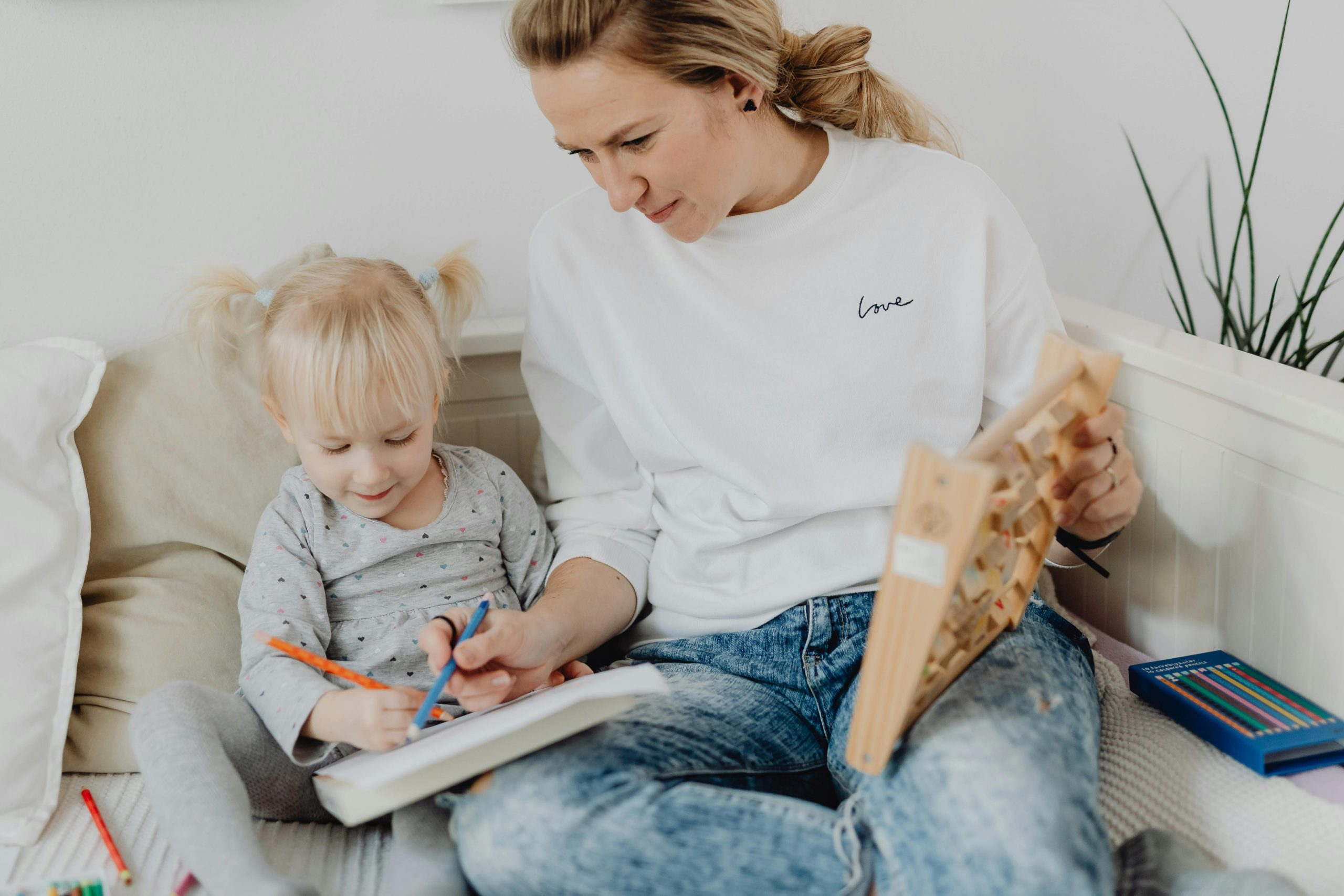
Understanding Resilience in Children
Resilience is not something that a child is born with, but rather a skill that can be learned and developed over time. It involves a combination of internal and external factors, such as the child’s personality, environment, and support system. Children who possess resilience are able to cope with stress, adapt to change, and handle challenges in a healthy and constructive way. They are also more likely to have a positive outlook on life and better mental health.
The Role of Positive Parenting
Positive parenting is an approach that focuses on fostering a strong and healthy relationship between the parent and child. It involves using positive reinforcement, effective communication, and setting clear and consistent boundaries. Positive parenting also emphasizes the importance of creating a supportive and nurturing environment for children to thrive in. But how does positive parenting contribute to the development of resilience in children?
Building a Strong Parent-Child Connection
One of the key elements of positive parenting is building a strong connection with your child. When children feel connected and loved by their parents, they are more likely to trust and open up to them. This bond allows parents to understand their child’s thoughts and feelings, making it easier to provide the necessary support and guidance when faced with challenges. A strong parent-child connection also helps children develop a positive sense of self, which is essential for building resilience.
Teaching Coping Skills
Positive parenting involves teaching children healthy coping skills, such as problem-solving, communication, and emotional regulation. These skills enable children to effectively deal with stress and challenges in a positive and productive manner. As parents, we can role-model these skills and help our children practice them in everyday situations. By learning how to cope with small challenges, children can develop the confidence and resilience to tackle bigger challenges in the future.
Encouraging a Growth Mindset
In positive parenting, the focus is not only on praising a child’s achievements but also on the effort and process behind it. This approach encourages a growth mindset, where children understand that failure is a part of the learning process and that their abilities can improve with hard work and dedication. When faced with setbacks, children with a growth mindset are more likely to persevere and try again, rather than giving up. This mindset is crucial for developing resilience in children.
Conclusion
In a fast-paced and ever-changing world, resilience is a crucial trait for children to possess. As parents, we can play a significant role in helping our children develop this important skill through positive parenting. By building a strong parent-child connection, teaching coping skills, and encouraging a growth mindset, we can equip our children with the tools they need to overcome challenges and thrive in life. Let’s strive to be positive and supportive parents and raise resilient children who can face any obstacle that comes their way with confidence and strength.