Effective Techniques for Managing Chronic Stress Effectively
Stress is an inevitable part of life, and while some stress can be beneficial in small doses, chronic stress can have a detrimental effect on our mental and physical well-being. According to the American Psychological Association, chronic stress occurs when an individual is exposed to prolonged periods of stress without sufficient resources to cope with it. This prolonged exposure to stress can increase the risk of developing chronic health conditions such as depression, anxiety, and heart disease. However, with the right tools and techniques, it is possible to effectively manage chronic stress and lead a healthier, more relaxed life. In this article, we will discuss some effective techniques for managing chronic stress effectively.
The Power of Mindfulness and Meditation
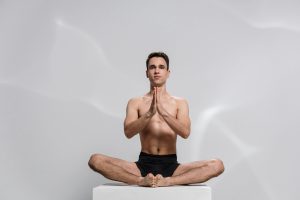
Mindfulness and meditation have gained popularity in recent years as effective tools for managing stress. Mindfulness is the practice of being present and aware of the current moment while meditation involves quieting the mind and focusing on the breath. Both practices can help reduce the impact of stress on our mental and physical health.
Tips for Practicing Mindfulness and Meditation
Start small and build up your practice gradually. Begin with just a few minutes a day and gradually increase the duration as you become more comfortable. Find a quiet and comfortable place to practice, and try to eliminate any distractions. Remember that it is okay for your mind to wander – simply bring your focus back to your breath. There are also many guided meditation and mindfulness apps available that can help you get started.
Physical Exercise for Stress Relief
The mind and body are closely interconnected, and when one is under stress, the other is often affected as well. This is why regular physical exercise can have a significant impact on managing chronic stress. Exercise releases endorphins, which are feel-good hormones that can improve mood and reduce stress levels.
Tips for Incorporating Physical Exercise into Your Routine
Find an exercise that you enjoy – it can be anything from yoga to running, swimming, or dancing. The key is to find something that you look forward to and that fits into your schedule. Aim for at least 30 minutes of moderate-intensity exercise, such as brisk walking, five days a week. If you don’t have 30 minutes to spare, break it up into smaller chunks throughout the day.
Healthy Habits for a Healthier Mind and Body
In addition to mindfulness and exercise, there are also other healthy habits that can help manage chronic stress. Eating a balanced diet, getting enough sleep, and minimizing or avoiding alcohol and caffeine can all contribute to reducing stress levels.
Tips for a Healthy Lifestyle
Incorporate plenty of fruits, vegetables, and whole grains into your diet. These foods contain vitamins and minerals that support our overall well-being. Aim to get at least 7-9 hours of sleep per night, and try to establish a consistent bedtime routine. Limit your intake of alcohol and caffeine, both of which can increase stress levels. Instead, opt for herbal teas and decaf options when possible.
The Importance of Self-Care
When dealing with chronic stress, it is essential to prioritize self-care. This means making time for activities that bring you joy and relaxation, whether it’s reading, spending time with loved ones, or taking a warm bath. Self-care allows us to recharge and refocus, making it easier to handle stress when it arises.
Tips for Practicing Self-Care
Schedule time for self-care and treat it as you would any other appointment. This means avoiding the temptation to cancel or reschedule it. Make a list of activities that bring you joy and relaxation, and incorporate them into your routine. Remember that self-care looks different for everyone – do what feels right for you.
Managing chronic stress is an ongoing process, and what works for one person may not work for another. It’s essential to find the techniques and techniques that work best for you and to be patient with yourself in the process. By incorporating mindfulness, exercise, healthy habits, and self-care into your daily routine, you can effectively manage chronic stress and live a healthier, more balanced life.