
Exploring Different Forms of Strength Training for Women
Welcome to the world of strength training for women. Gone are the days when women shied away from lifting weights and focused solely on cardio exercises. With the rise of the fitness industry and the emphasis on building strong and healthy bodies, more and more women are embracing different forms of strength training to help them reach their fitness goals. In this article, we will explore the various types of strength training that women can incorporate into their workout routine, the benefits of each, and how to get started. So let’s dive in and discover the power of strength training for women!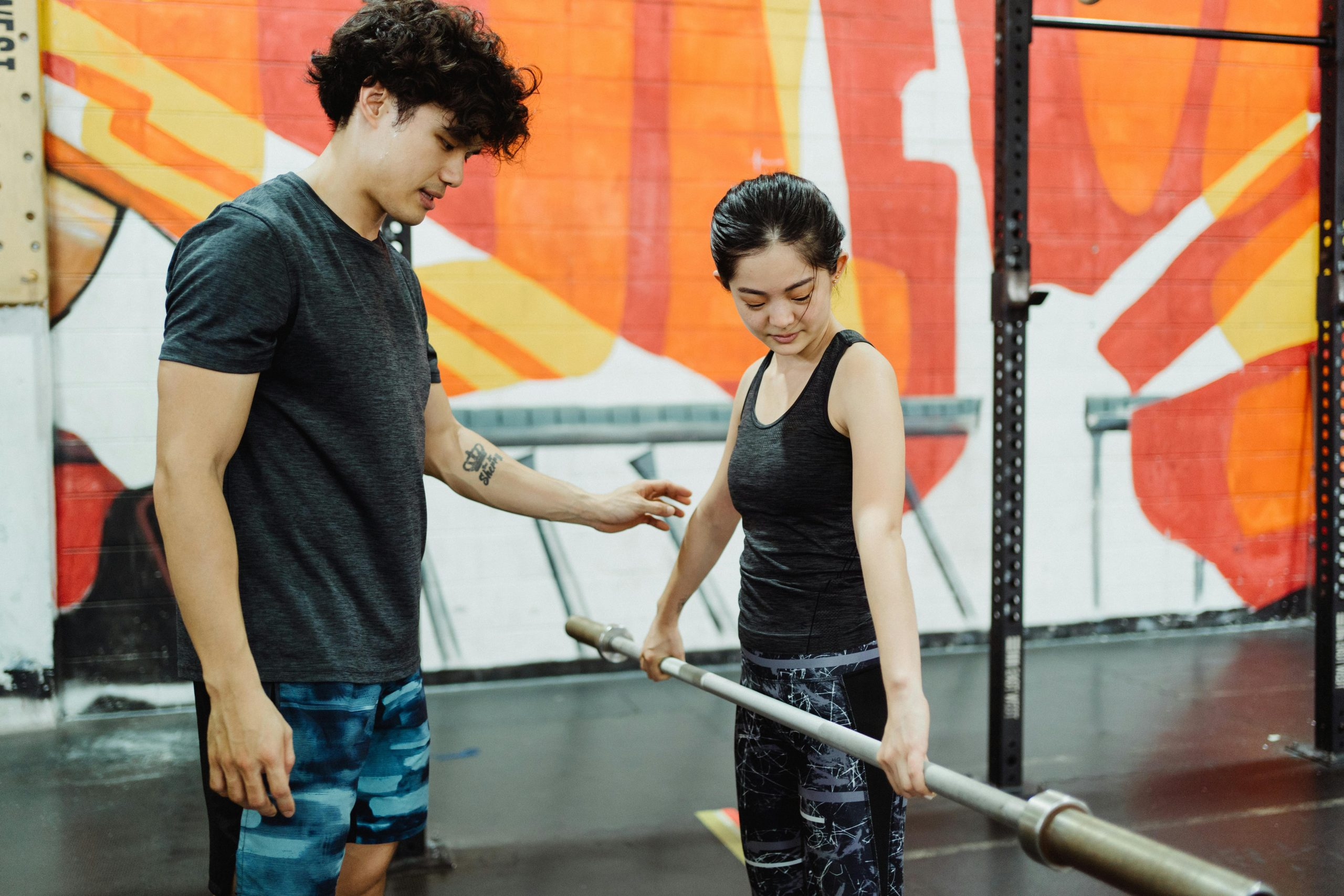
The Importance of Strength Training for Women
Before we delve into the different forms of strength training, it’s essential to understand why it’s important for women to incorporate it into their fitness regime. Many women avoid strength training because they believe it will make them look bulky and masculine. However, this is far from the truth. Strength training can produce incredible results for women by toning their bodies, increasing bone density, and improving overall health and well-being.
Additionally, as women age, their muscle mass declines, making it even more crucial to incorporate strength training to prevent muscle loss and maintain a healthy weight. Strength training can also help with posture, balance, and reducing the risk of injuries, making it a vital part of any fitness routine for women.
Bodyweight Training
Bodyweight training is a form of strength training that uses only your body weight as resistance. This type of training is ideal for beginners as it requires minimal equipment and can be done anywhere. Bodyweight exercises such as push-ups, squats, lunges, and planks target multiple muscle groups simultaneously, making them efficient and effective. It also helps improve overall strength and endurance, making daily activities easier.
Tips for Bodyweight Training for Women
– Start with the basics: Master the proper form of bodyweight exercises before progressing to more advanced moves.
– Consistency is key: For optimal results, incorporate bodyweight exercises into your workout routine at least 2-3 times a week.
– Increase intensity: As you get stronger, increase the number of reps, or try more challenging variations of the exercises.
Free Weights
Free weights, such as dumbbells, barbells, and kettlebells, are another popular form of strength training for women. They offer a more challenging form of resistance as compared to bodyweight training, which allows for progressive overload and muscle growth. Free weight exercises are versatile and can target specific muscle groups, making them a great addition to any workout routine.
Tips for Free Weight Training for Women
– Start light: Begin with lighter weights and focus on mastering the technique to avoid injuries.
– Add variety: Incorporate a mix of compound and isolation exercises to target different muscle groups and prevent boredom.
– Rest and recover: Give your muscles time to rest and recover before increasing weight or intensity to avoid burnout.
Resistance Bands
Resistance bands are a form of strength training that uses elastic bands or tubes to create resistance. They come in various sizes and strengths, making them suitable for all fitness levels. Resistance band exercises are low-impact and easy on the joints, making them perfect for women who have injuries or prefer a low-impact workout. They are also excellent for targeting smaller muscle groups that are often overlooked.
Tips for Resistance Band Training for Women
– Adjust the intensity: Alter the resistance level by using different bands or adjusting the length of the band.
– Use them in conjunction: Resistance bands can be used alongside other forms of strength training for an extra challenge.
– Don’t forget upper body: Resistance bands are great for targeting the upper body, making them perfect for women looking to tone their arms, back, and chest.
Pilates
While not traditionally thought of as strength training, Pilates is an excellent form of resistance training for women. It focuses on building core strength, improving flexibility and posture, and enhancing mind-body connection. Pilates exercises often use bodyweight and resistance bands to create resistance, making it an effective form of strength training.
Tips for Pilates for Women
– Find a qualified instructor: To get the most out of Pilates, it’s essential to find an instructor who can guide you through proper form and technique.
– Focus on quality over quantity: Pilates focuses on slow, controlled movements, so be sure to focus on proper form rather than rushing through the exercises.
– Mix it up: Try different variations and equipment to keep your Pilates routine challenging and exciting.
Incorporating Strength Training into Your Fitness Routine
To fully benefit from strength training, it’s essential to incorporate it into your fitness routine consistently. Aim for 2-3 days a week, with at least one rest day in between to allow your muscles to recover. Mix and match different forms of strength training for a well-rounded workout, or choose the one that best suits your fitness goals. Remember to always listen to your body and adjust your routine accordingly.
Strength training for women is no longer a taboo subject. With the right approach and consistency, it can bring about positive changes in both your physical and mental well-being. So don’t be afraid to pick up those weights or try out that challenging bodyweight exercise. Embrace the strength that comes with strength training and become the best version of yourself.