The Importance of Hearing Protection for Musicians
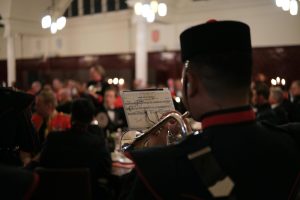
Music is a universal language that has the power to bring people together, evoke emotions, and move crowds. Behind every great performance, there are dedicated musicians who spend countless hours perfecting their craft. However, amidst the loud cheers, bright lights, and pounding beats, there is a hidden danger that is often overlooked in the music industry – hearing loss. While many musicians love the thrill of performing on stage, the constant exposure to high decibel levels can have long-term consequences. This is why the use of hearing protection is crucial for musicians, and in this article, we will explore the reasons why.
The Dangers of High Volume Levels
Music can reach up to 110-130 decibels (dB) at live concerts. This is equivalent to standing near a jet engine or a chainsaw. According to the World Health Organization (WHO), prolonged exposure to noise levels above 85 dB can cause permanent hearing damage. This is because the delicate hair cells in the inner ear responsible for converting sound into electrical signals can become damaged or destroyed. These hair cells do not regenerate, and once they are gone, they are gone forever. This means that musicians who are exposed to high volume levels regularly are at a higher risk of developing noise-induced hearing loss (NIHL).
The Impact of Hearing Loss on Musicians
Hearing loss not only affects a musician’s ability to hear sound accurately but also has a significant impact on their overall well-being. Musicians depend on their hearing to create and perform music, and even a minor hearing loss can affect their ability to pick up different tones and pitches. This can lead to issues with intonation, rhythm, and harmony, affecting the quality of their performances. Furthermore, hearing loss can also make it challenging to communicate with fellow band members or sound engineers, leading to frustration and hindered collaborations.
The Importance of Protecting Your Hearing
With the advancement of technology, musicians now have access to various types of high-quality hearing protection. Earplugs, for instance, come in different shapes and sizes, and some are designed specifically for musicians. They reduce the volume evenly across all frequencies, preserving the integrity of the music while protecting the ears. Custom-fit earplugs are also available, which are molded to fit the musician’s ear canal precisely, providing a comfortable and secure fit.
Preserving Your Passion – Protecting Your Ears
For musicians, hearing protection is not just a matter of safeguarding their health, but also preserving their passion and love for music. NIHL can be debilitating and can affect a musician’s career and personal life. Imagine not being able to listen to or perform the music you love because of something that could have been prevented. By taking the necessary precautions and using hearing protection, musicians can continue doing what they do best – creating and performing music.
How To Practise Safe Listening
Apart from using hearing protection, there are other ways musicians can protect their ears. Taking breaks in between rehearsals or performances gives the ears time to rest and recover. It is also essential to monitor the volume levels and try to reduce it whenever possible. When practising, musicians can use in-ear monitors or headphones to avoid noisy environments. Investing in equipment that minimizes sound output without compromising the audio quality is also a wise decision.
In Conclusion
In this fast-paced and loud industry, hearing protection for musicians should not be overlooked. The consequences of hearing loss go far beyond just not being able to hear properly. It can affect a musician’s career, livelihood, and quality of life. By taking proactive measures and using hearing protection, musicians can continue doing what they love without putting their health at risk. Remember, your music deserves to be heard, and protecting your hearing is the first step in making that possible.