
Understanding the Different Voices in Choral Music
Choral music is a powerful form of choral composition that utilizes multiple voices to create harmony, rhythm, and intricate melodies. But what exactly are the different voices in choral music? And how do they come together to create such captivating and awe-inspiring performances? In this article, we will explore the different voices in choral music and gain a better understanding of how each one contributes to the overall sound of a choral piece.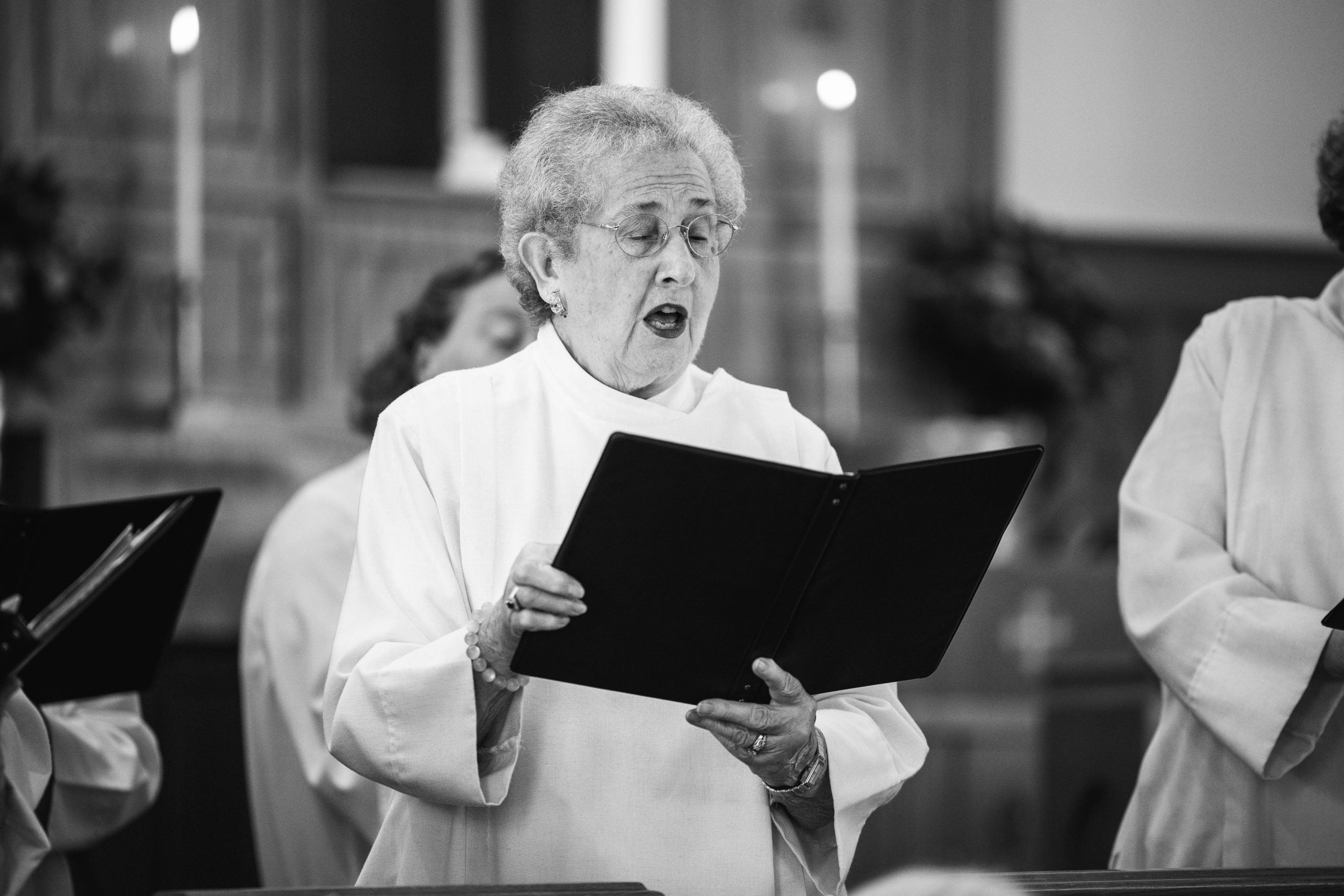
The Four Main Voices in Choral Music
Soprano
The soprano is the highest voice in choral music and is typically sung by women or boys with unchanged voices. This voice is known for its bright and clear sound, capable of reaching high notes with ease. Soprano parts often carry the melody in choral music and are essential in creating a balanced and harmonious sound.
Within the soprano voice, there are also different ranges, including coloratura soprano, lyric soprano, and dramatic soprano. Each range has its own unique characteristics and is suited for different types of choral music.
Alto
The alto voice is slightly lower than the soprano and is usually sung by women. This voice adds depth to choral music and provides a richer, fuller sound. Similar to the soprano, the alto voice also has different ranges, including contralto, mezzo-soprano, and countertenor.
In many choral pieces, the alto voice is responsible for supporting the melody and adding harmony to the overall sound. Alto parts often require singers to have a strong sense of pitch and the ability to blend their voice with others in the same voice part.
Tenor
As one of the middle voices in choral music, the tenor is typically sung by men. This voice has a slightly higher range than the alto voice and is known for its powerful, yet smooth sound. Tenor parts often carry important melodic lines and are crucial in creating the energy and emotion in choral performances.
Like the soprano and alto, the tenor voice also has different ranges, including countertenor, leggero tenor, lyric tenor, and spinto tenor. Each range has its own unique tone and is suited for different types of choral music.
Bass
The bass voice is the lowest in choral music and is typically sung by men. This voice provides a solid foundation for the other voices and helps to create a full and rich sound. Bass parts are often responsible for the bass line of a piece and are essential for creating the rhythmic structure of choral music.
Within the bass voice, there are also different ranges, including basso profondo, bass-baritone, and basso cantante. Each range has its own distinct characteristics and is suited for different types of choral music.
How the Different Voices Come Together
As mentioned before, choral music utilizes multiple voices to create its unique sound. But how exactly do these voices come together to create such captivating and harmonious performances?
First and foremost, choral singers must have a solid understanding of their individual voice and how it contributes to the overall sound. They must also have a strong sense of pitch and the ability to blend their voice with others in their voice part.
Aside from individual technical skills, choral singers must also work together as a team, listening to and adjusting to the other voices around them. This requires excellent communication, trust, and a deep mutual understanding of how each voice works together to create a unified sound.
Additionally, a choral director plays a crucial role in bringing the different voices together. With their expertise and leadership, they can guide and shape the individual voices to create a cohesive and powerful choral performance.
The Importance of Each Voice
While each voice part has its own unique characteristics and challenges, no voice is more important than the other in choral music. All voices work together to create a balanced and harmonious sound, and each one is crucial in bringing a choral piece to life.
Without the soprano voice, the melody and lead lines may be missing. Without the alto voice, the harmony and depth will be lacking. Without the tenor voice, the energy and emotion may be lacking. And without the bass voice, the rhythmic structure would be incomplete.
It is only when all voices come together and work in perfect harmony that the true magic of choral music is revealed.
In Conclusion
Understanding the different voices in choral music is essential for any choral singer or music lover. Each voice brings its own unique characteristics and is crucial in creating the rich and powerful sound of choral music. By working together in perfect harmony, these voices create breathtaking performances that have the power to move and inspire audiences around the world.