
The Essential Tools for DIY Home Appraisal and Valuation
If you’re thinking about selling or buying a home, one important step in the process is determining the property’s value. While some homeowners opt for a professional home appraisal, others may choose to do it themselves to save money. However, DIY home appraisal and valuation requires knowledge, accuracy, and the essential tools. In this article, we’ll be discussing the tools necessary to successfully perform a DIY home appraisal and valuation.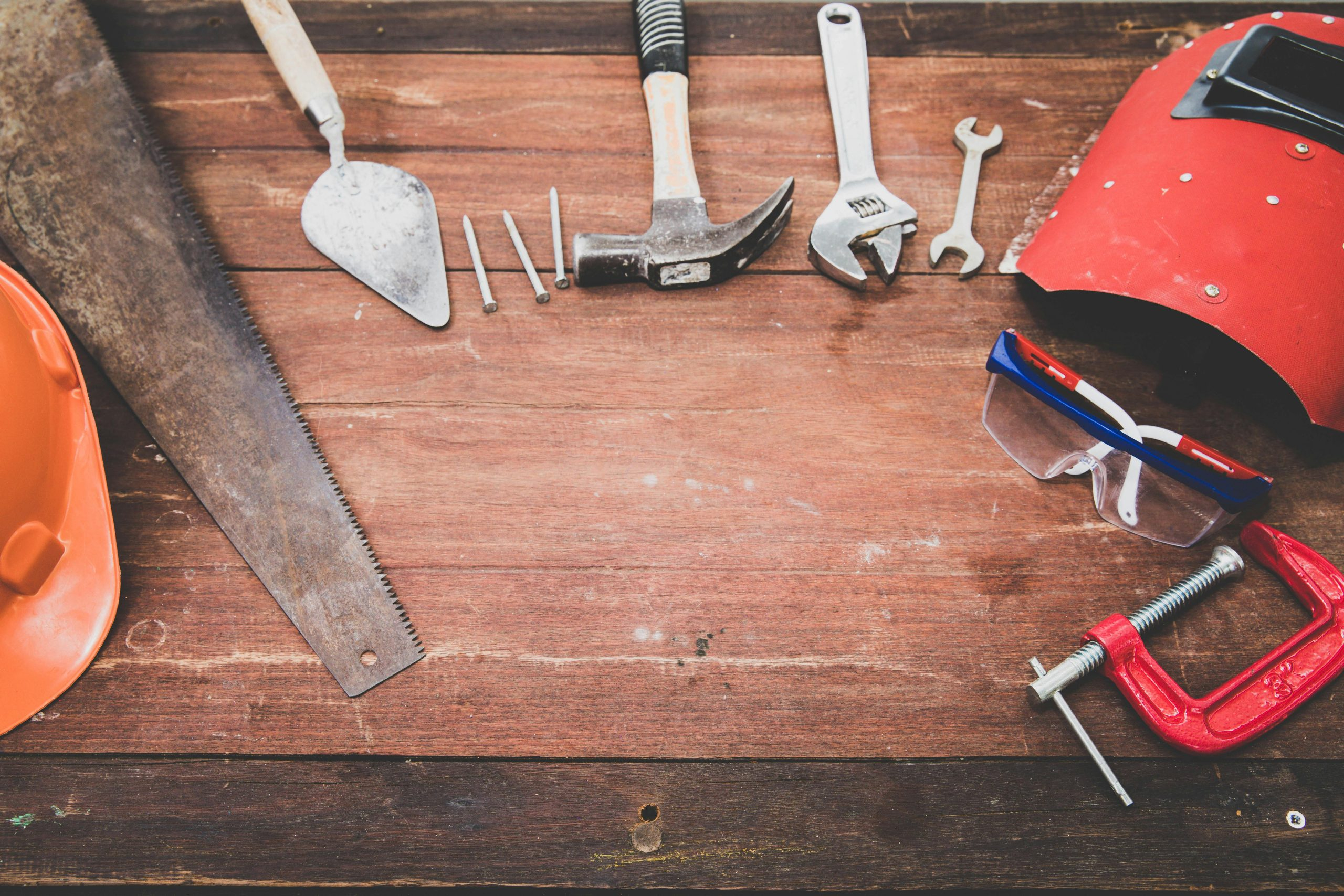
The Importance of a Home Appraisal and Valuation
Before we dive into the essential tools for a DIY home appraisal and valuation, it’s important to first understand the importance of this process. A home appraisal is an unbiased assessment of a property’s value, while a home valuation is an estimate of a property’s worth. Both are crucial in determining the price of a home in the market.
Firstly, a home appraisal is often required by lenders when applying for a mortgage. This is to ensure that the loan amount doesn’t exceed the value of the property. Additionally, home appraisals can also be used to negotiate a lower purchase price or to dispute a high property tax assessment. On the other hand, a home valuation is important for home sellers to accurately price their property and for home buyers to determine if they’re making a good investment.
The Essential Tools for a DIY Home Appraisal and Valuation
1. Measuring Tape
A measuring tape is an essential tool for a DIY home appraisal and valuation. This will help you accurately measure the dimensions of each room, as well as the total square footage of the property. It’s important to have precise measurements as this will affect the overall value of the home.
2. Camera or Smartphone with a Good Camera Quality
A camera or smartphone with a good camera quality is necessary to document the property’s condition. Take photos of each room, as well as any damages or unique features. These photos will serve as evidence and will help you remember the details of the property during the appraisal process.
3. Home Appraisal Checklist
Having a home appraisal checklist will not only ensure that you don’t miss any important details during the process, but it will also help you stay organized and on track. A home appraisal checklist should include all the areas of the property that need to be evaluated, such as the structure, interior, and exterior.
4. Online Real Estate Valuation Tools
In addition to performing a physical appraisal, it’s also recommended to use online real estate valuation tools to get an estimate of the property’s worth. These tools use data from recent home sales in the area, as well as the property’s characteristics, to come up with a valuation. While this shouldn’t be the sole basis for determining a property’s value, it can provide a good starting point.
5. Knowledge of the Local Real Estate Market
Having knowledge of the local real estate market is crucial in determining the value of a property. Factors such as the average selling price, market trends, and demand for homes in the area can greatly affect a property’s value. Research the market and gather information to help you accurately assess the value of the home.
6. Access to Comparable Properties
Comparable properties are homes that are similar to the property you’re appraising in terms of size, age, and location. These are used to determine the market value of a property. It’s important to have access to these properties and their selling prices to help you gauge the value of the home you’re appraising.
7. Calculation Tools
In order to come up with an accurate valuation, you’ll need to perform some calculations. This includes determining the property’s square footage, as well as the cost of any renovations or damages. You can use a regular calculator, or there are also various online calculation tools available.
8. Knowledge of Home Value Factors
Lastly, having knowledge of the different factors that affect a home’s value is crucial. This includes the condition of the property, its location, any renovations or upgrades, and the current market trends. Being familiar with these factors will help you determine the property’s true value.
In Conclusion
DIY home appraisal and valuation can save you money, but it requires the necessary tools and knowledge to do it effectively. Ensuring that you have all the essential tools and information will help you come up with a more accurate value for a property. However, it’s important to note that a professional home appraisal may still be necessary for a more accurate and unbiased assessment of a property’s value.
Remember to always use all sources of information available to come up with the most accurate valuation possible. And with these essential tools, you’ll be on your way to performing a successful DIY home appraisal and valuation.