
Exploring Ethical Sourcing Practices in Retail Supply Chains
In today’s consumer-driven world, many shoppers are becoming increasingly conscious about the products they purchase. There has been a growing concern about the ethical and sustainable practices of retailers, especially when it comes to sourcing their products. More and more, consumers are not just interested in the quality and price of a product, but also the values and practices of the company behind it. This has led to the rise of ethical sourcing practices in retail supply chains, which aim to ensure that products are produced and sourced in a responsible and sustainable manner. In this article, we will explore the importance of ethical sourcing in retail supply chains and the practices that retailers can adopt to maintain ethical standards.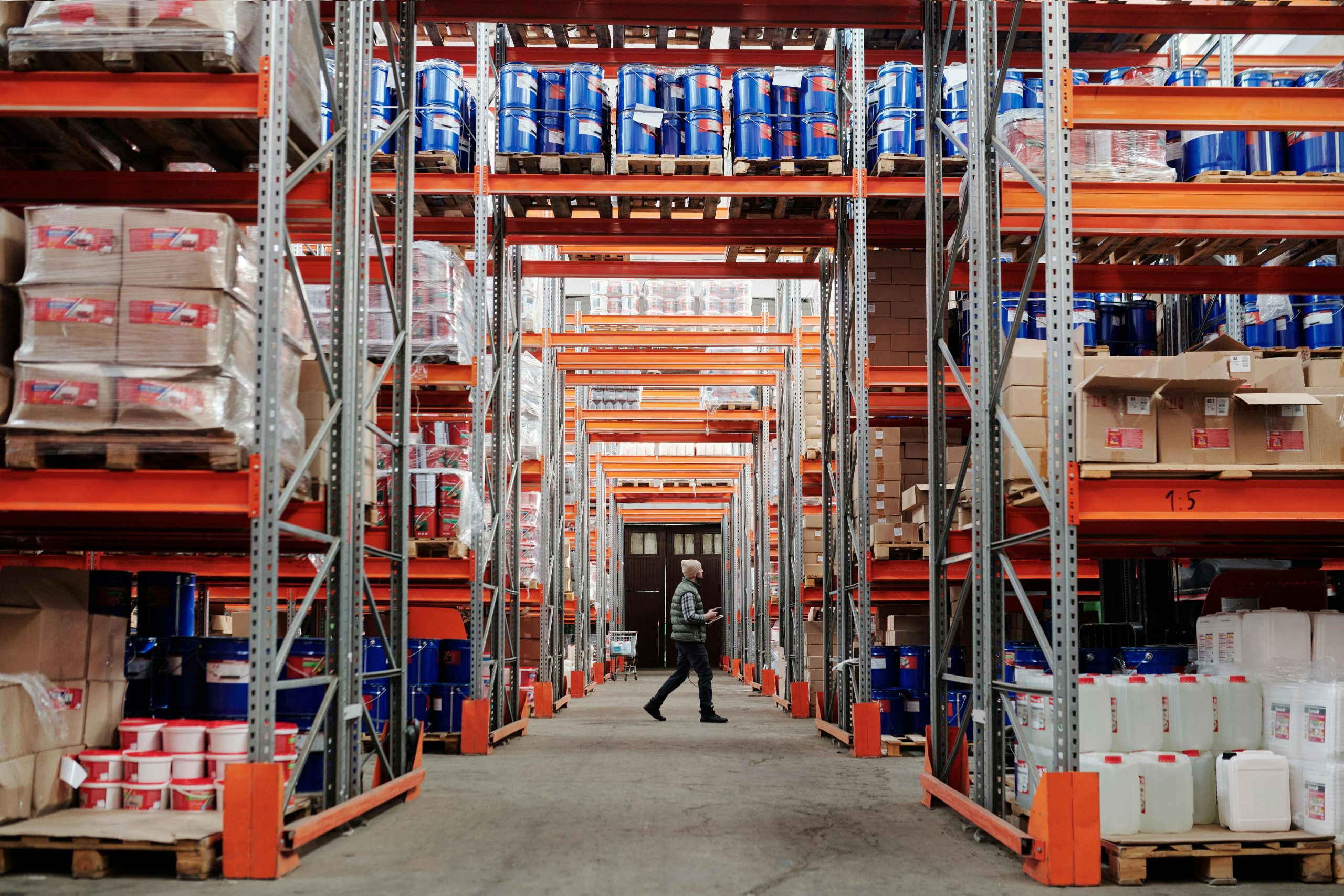
The Importance of Ethical Sourcing in Retail Supply Chains
The retail industry plays a significant role in the global economy, with supply chains that span across continents and involve various suppliers and manufacturers. This makes it challenging for retailers to have complete control over the entire production process. However, with the increased demand for transparency and ethical practices, retailers have a responsibility to ensure that their products are sourced ethically.
Ethical sourcing refers to the process of ensuring that the materials used to produce a product are obtained in an environmentally and socially responsible way. This includes fair labor practices, worker safety, and environmental sustainability. By adopting ethical sourcing practices, retailers can improve their reputation, build trust with consumers, and positively impact the communities where their products are sourced.
Best Practices for Ethical Sourcing in Retail Supply Chains
1. Establish Clear Standards
The first step in implementing ethical sourcing practices is to establish clear standards for suppliers to follow. This includes defining what is considered ethical and responsible in terms of labor practices, environmental sustainability, and animal welfare. Retailers should also outline consequences for suppliers who do not meet these standards.
2. Conduct Audits
Regular audits of suppliers’ facilities and practices are crucial to ensuring ethical compliance. These audits should be carried out by independent, third-party organizations to provide unbiased results. Audits should focus on areas such as labor conditions, work hours, wages, and environmental practices.
3. Build Long-Term Relationships with Suppliers
Instead of constantly changing suppliers to find the cheapest option, retailers should focus on building long-term relationships with a select group of suppliers. This allows for better communication and collaboration, making it easier to enforce ethical standards and monitor their practices.
4. Embrace Technology
Technology can be a powerful tool in promoting ethical sourcing practices. Retailers can use software and other digital tools to track and monitor their supply chains, thereby ensuring transparency and accountability. Technology can also help identify any ethical risks in the supply chain and address them promptly.
5. Educate Consumers
Ethical sourcing practices can only be successful if consumers are aware of them. Retailers should educate their customers about the importance of ethical sourcing and how their products are sourced. This can be done through marketing campaigns, labeling, and providing information on their website.
Challenges of Ethical Sourcing
Implementing ethical sourcing practices is not without its challenges. The global nature of supply chains makes it difficult to monitor every step, and there may be instances where suppliers do not comply with the set standards. Additionally, ethical sourcing can increase the cost of production, which may affect retailers’ profitability. However, the benefits of ethical sourcing far outweigh these challenges.
Conclusion
In today’s world, where consumers are increasingly conscious of where their products come from, ethical sourcing has become a necessity for retailers. Not only does it ensure responsible and sustainable practices, but it also builds trust and loyalty with consumers. By following the best practices outlined in this article, retailers can create a positive impact on society and the environment while maintaining ethical standards.